
Understanding Vesak Day: Buddhist Teachings And Acts of Merit
Every year, Buddhists around the world come together to observe Vesak Day, one of the most important occasions in the Buddhist calendar. Also known as Buddha Day, Vesak commemorates the birth, enlightenment, and passing of Siddhartha Gautama, the Buddha. More than a religious celebration, Vesak Day serves as a time for reflection, compassion, mindfulness, and spiritual renewal.
In Singapore, temples are often filled with devotees during this period. Families gather to offer prayers, light incense (上香), chant sutras (诵经), and participate in meaningful acts of kindness. While these traditions may appear ceremonial to some, each practice carries deep symbolic meaning rooted in Buddhist teachings that continue to remain relevant in modern society today.
The Meaning Behind Vesak Day Rituals
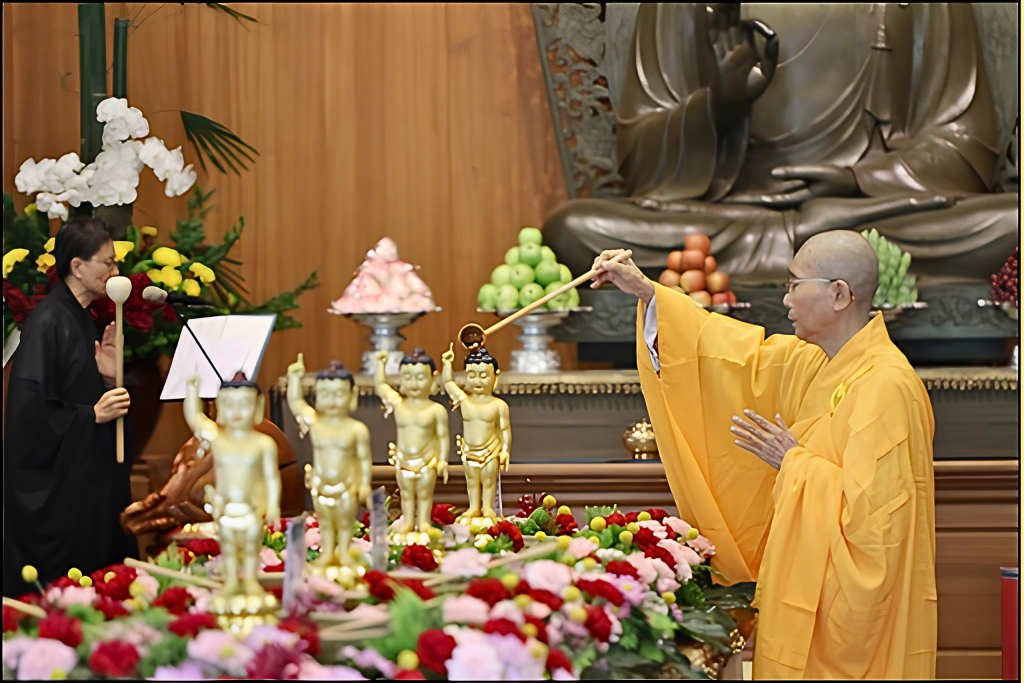
One of the most recognisable Vesak Day rituals is the bathing of the Buddha statue(浴佛). During this practice, devotees pour water over a statue of the infant Buddha as a symbolic act of cleansing the mind and heart. The ritual serves as a reminder to let go of negative emotions such as anger, greed, jealousy, and ignorance. Rather than simply focusing on outward rituals, Buddhism places great emphasis on inner reflection and self-improvement.
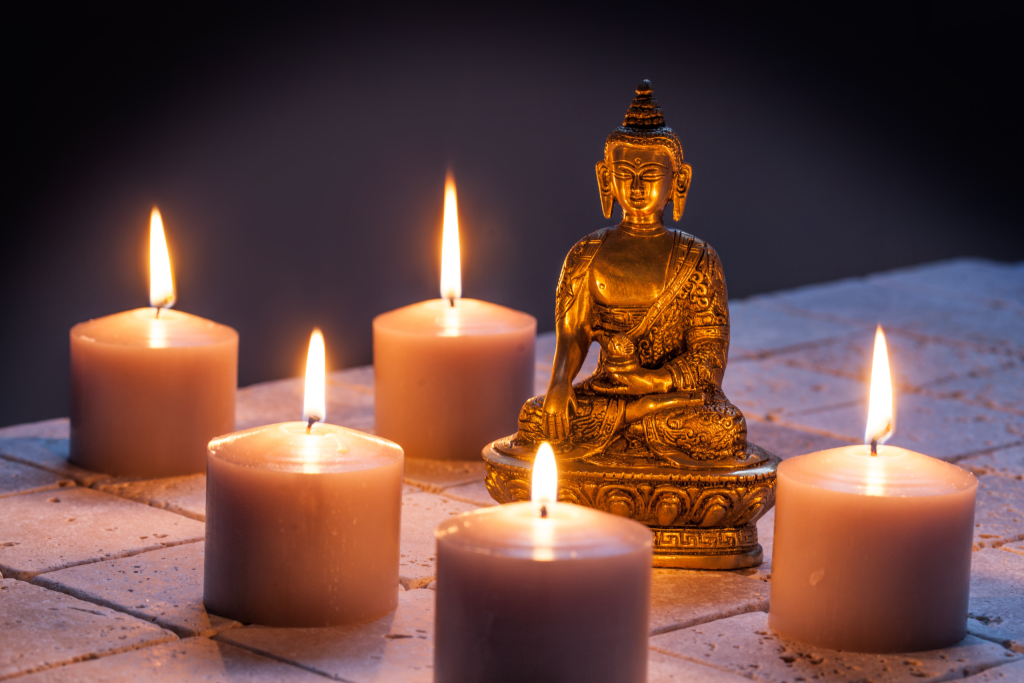
Temple offerings also hold symbolic meaning. Flowers, for example, remind devotees of impermanence. Just as flowers bloom beautifully before eventually wilting, life itself is temporary and ever-changing. Candles and lamps symbolise wisdom (智慧) and enlightenment (觉悟), while incense represents purity and sincerity. Through these simple offerings, Buddhists are reminded to appreciate the present moment and cultivate a more mindful way of living.
Beyond rituals and ceremonies, Vesak Day is also closely associated with the practice of compassion (慈悲) and mindfulness (正念). Many Buddhists observe vegetarianism during this period as a way of practising non-harm towards living beings. Others spend time volunteering, donating to charity, visiting the elderly, or participating in community activities. These acts reflect the Buddha’s teachings on kindness, generosity, and reducing suffering in the world around us.
Candlelight Processions and the “Three Steps, One Bow” Practice
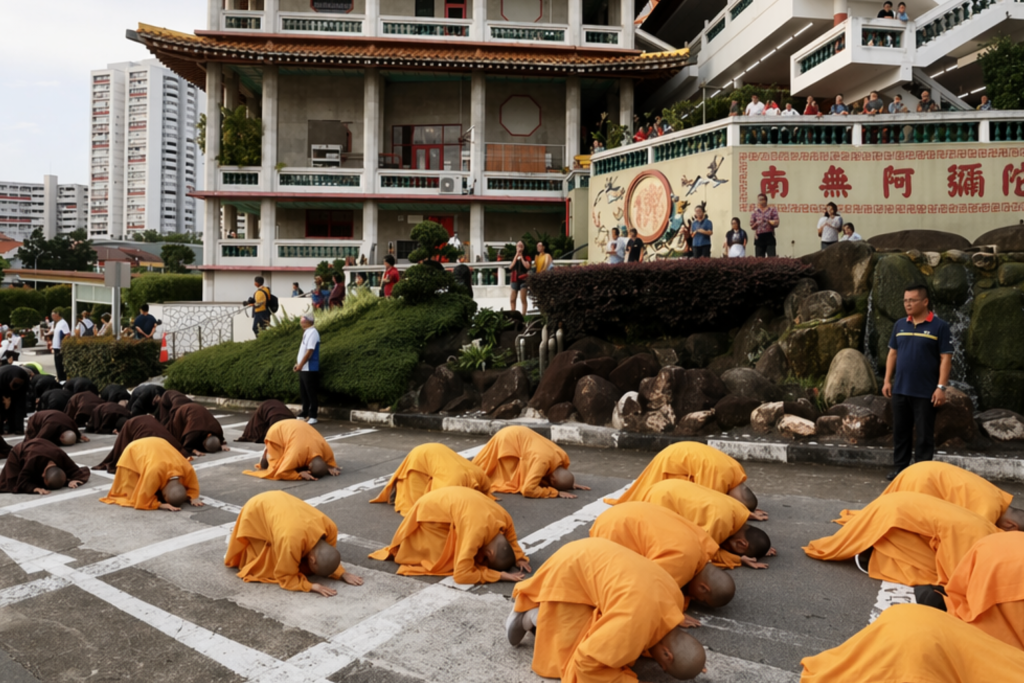
Vesak Day celebrations in Singapore often conclude with large candlelight processions held at Buddhist temples and monasteries. As devotees carry candles and walk in prayer and reflection, the atmosphere becomes calm, solemn, and deeply spiritual.
One of the most recognisable practices during these processions is the “Three Steps, One Bow” ritual, also known as 三步一拜. This devotional practice is commonly observed within the Mahayana Buddhist tradition, particularly among the Chinese Buddhist community. During the procession, devotees take three steps before performing a full prostration (顶礼膜拜) to the ground while chanting prayers or the Buddha’s name.
The procession may continue for around two hours or longer, requiring both physical endurance and mental focus. Through repeated bows and prayers, practitioners express humility, repentance, gratitude, and sincerity. The ritual is also viewed as a form of spiritual cultivation, encouraging mindfulness, perseverance, and self-discipline.
Beyond its physical aspect, the practice symbolises the act of letting go of pride and negative thoughts while cultivating compassion and inner peace. For many devotees, the “Three Steps, One Bow” ceremony serves as a meaningful reminder of devotion, reflection, and the Buddhist pursuit of wisdom and enlightenment.
Understanding Karma
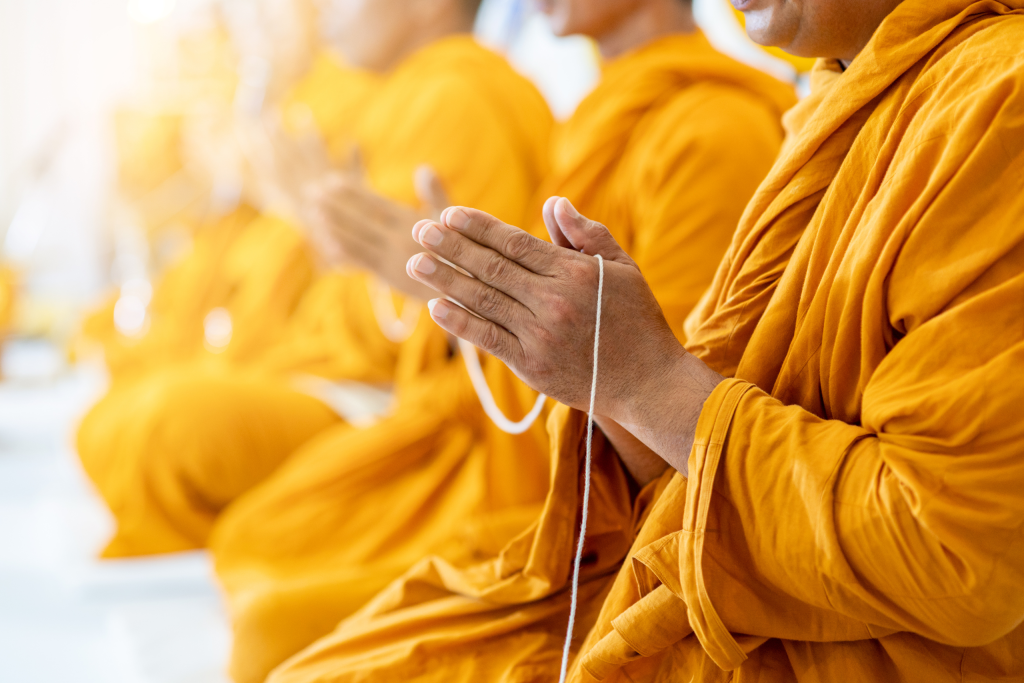
One of the core teachings often emphasised during Vesak Day is karma (因果). In Buddhism, karma refers to the law of cause and effect, where actions carry consequences. Positive actions rooted in kindness, compassion, honesty, and generosity are believed to create positive karma, while harmful actions may lead to suffering.
Vesak Day therefore becomes not only a day of prayer, but also an opportunity for individuals to reflect on how they think, speak, and act in daily life.
The Importance of Acts of Merit
Acts of merit form an important part of Vesak Day observances. In Buddhism, merit refers to wholesome deeds that generate positive spiritual benefits. During Vesak Day, many devotees engage in charitable activities such as making donations, offering meals to monks, supporting community initiatives, or helping those in need.
These actions are not performed for praise or recognition. Instead, they are seen as opportunities to cultivate compassion and reduce attachment to selfish desires. Through acts of giving, individuals are encouraged to develop empathy, humility, and gratitude.
For many families, acts of merit may also be dedicated to departed loved ones. Through prayers, offerings, charitable deeds, and chanting ceremonies, families express remembrance and gratitude towards those who have passed on. Such practices often provide emotional comfort and strengthen the sense of connection between generations.
In many ways, Vesak Day becomes not only a time for spiritual reflection, but also a meaningful occasion for remembering loved ones with compassion and sincerity.
Applying the Spirit of Vesak Day in Daily Life
Even small acts can carry great meaning. Offering help to someone in need, speaking kindly to others, practising patience, or spending time in quiet reflection are all ways individuals can embody the spirit of Vesak in daily life.
As Vesak Day approaches, it serves as a gentle reminder for people to pause from the busyness of everyday routines and reconnect with what truly matters. Whether through prayer, mindfulness, acts of generosity, or moments of reflection, the occasion encourages individuals to cultivate compassion not only towards others, but also towards themselves.
In a world that often moves too quickly, the teachings behind Vesak Day continue to offer timeless guidance on how to live with greater awareness, kindness, and peace.