
What To Do Immediately When Someone Passes Away in Singapore
Losing a loved one is never easy. In the first few hours after a passing, it is completely normal to feel overwhelmed and unsure of what to do next. While emotions may be heavy, there are a few important steps that need to be taken. This guide provides a clear, step-by-step overview to help you navigate the immediate process in Singapore with greater clarity and calm.
Inform Family and Close Contacts
Begin by informing immediate family members, then extend the message to relatives and close friends.
To reduce emotional strain, it can be helpful to assign one family member to handle communications. Preparing a simple message with key details—such as wake location and timing—can also make this process easier.
Confirm the Passing
The first step is to have the death officially certified.
If the passing occurs at home, contact a doctor who can attend and certify the death. In cases where the passing is sudden or unexpected, call emergency services (995), as the case may be referred to the police for further investigation. If the passing occurs in a hospital, the medical staff will handle the certification process.
A Certificate of Cause of Death (CCOD) will be issued, and this document is required for all subsequent arrangements.
Following this, the deceased will be transferred to our care centre.
Register the Death

In Singapore, all deaths must be registered within 24 hours.
This can be done through the My Legacy portal (https://mylegacy.life.gov.sg/), a one-stop platform that guides families through post-death procedures. In many cases, hospitals or funeral directors will assist with registration.
Gather Important Documents

Having essential documents ready will help ensure a smoother process.
These may include the deceased’s NRIC, marriage certificate (if applicable), insurance policies, CPF details, and any existing will. Keeping everything organised early can prevent additional stress later on.
Additionally, the family might wish to pack a set of clothing with footwear for dressing, as well as any specific items such as glasses or dentures.
Check for Pre-Arrangements or Wishes
Some individuals may have made prior arrangements or shared specific wishes, such as pre-planned funeral packages or instructions for religious rites. Honouring these preferences can bring clarity and ease the burden of decision-making for the family during a difficult time.
As a pioneer in funeral preplanning since 2014, we are committed to helping individuals make thoughtful arrangements in advance, ensuring their wishes are respected and their loved ones are supported.
Engage a Funeral Director

Engaging a funeral director early can significantly ease the burden during this difficult time. They will guide you through the process and handle key logistics.
Services usually include the collection and care of the deceased, embalming (if required), wake setup, and coordination of religious or cultural rites. Choosing a provider that aligns with your family’s beliefs, preferences, and budget is important.
Decide on Wake and Funeral Arrangements
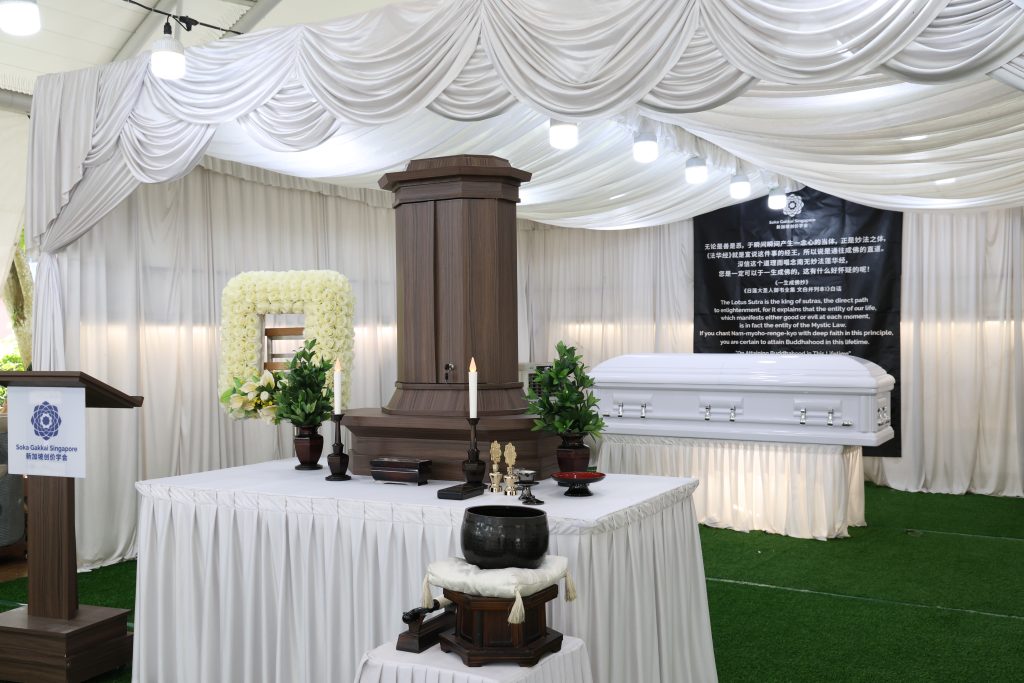
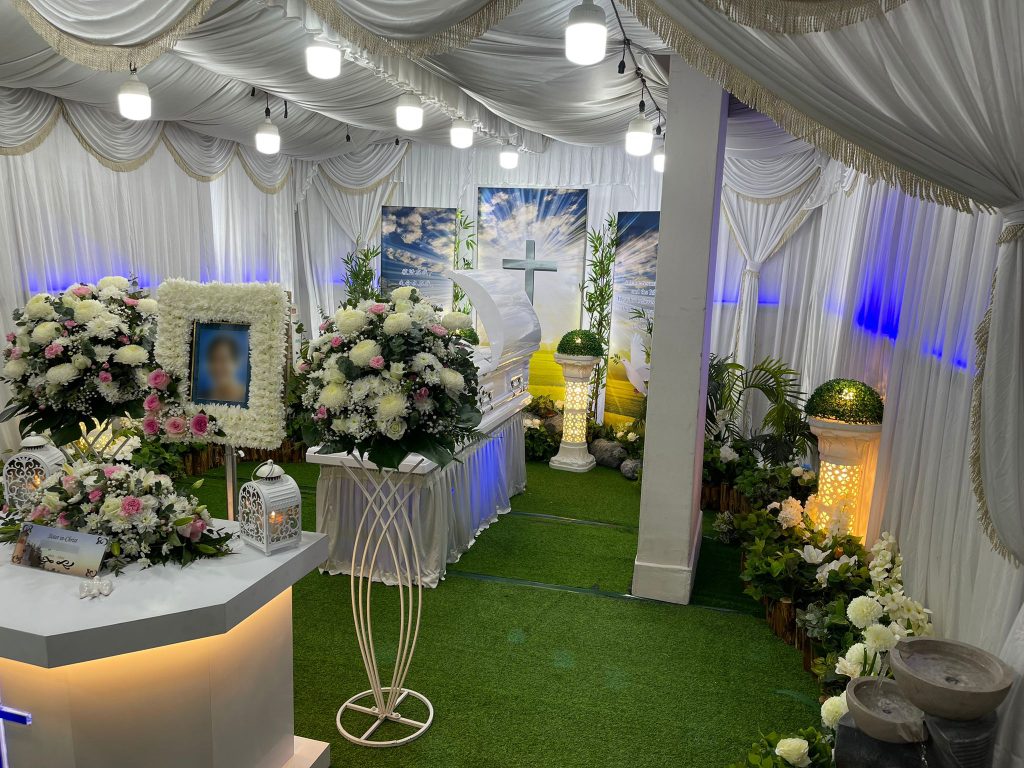
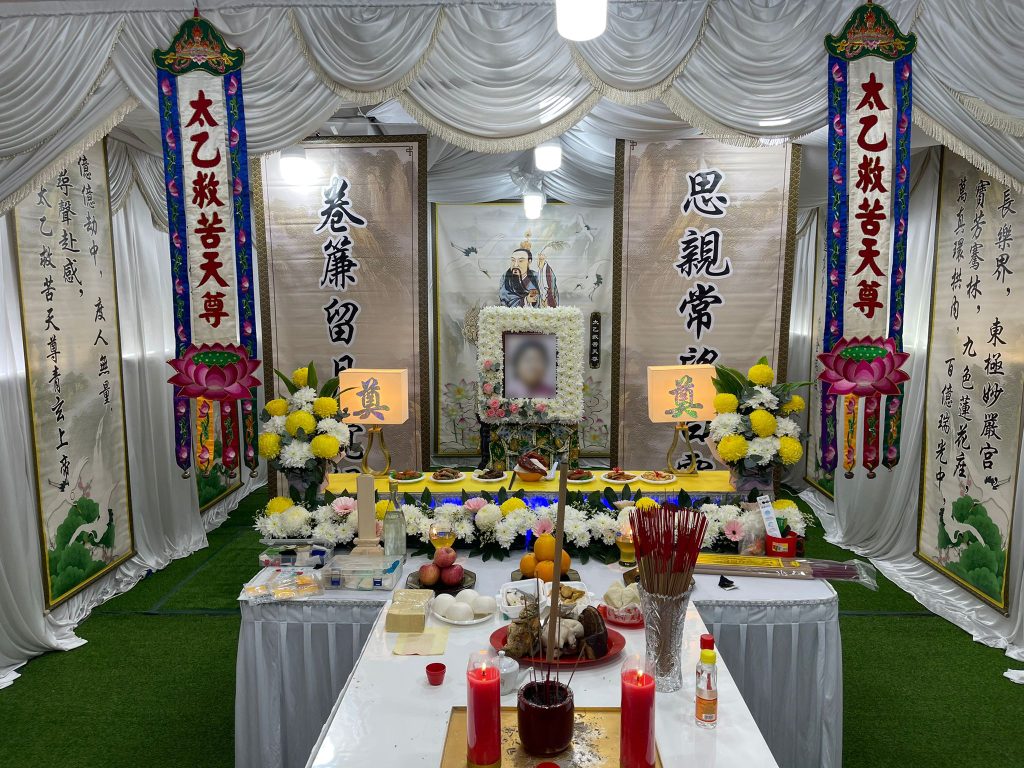
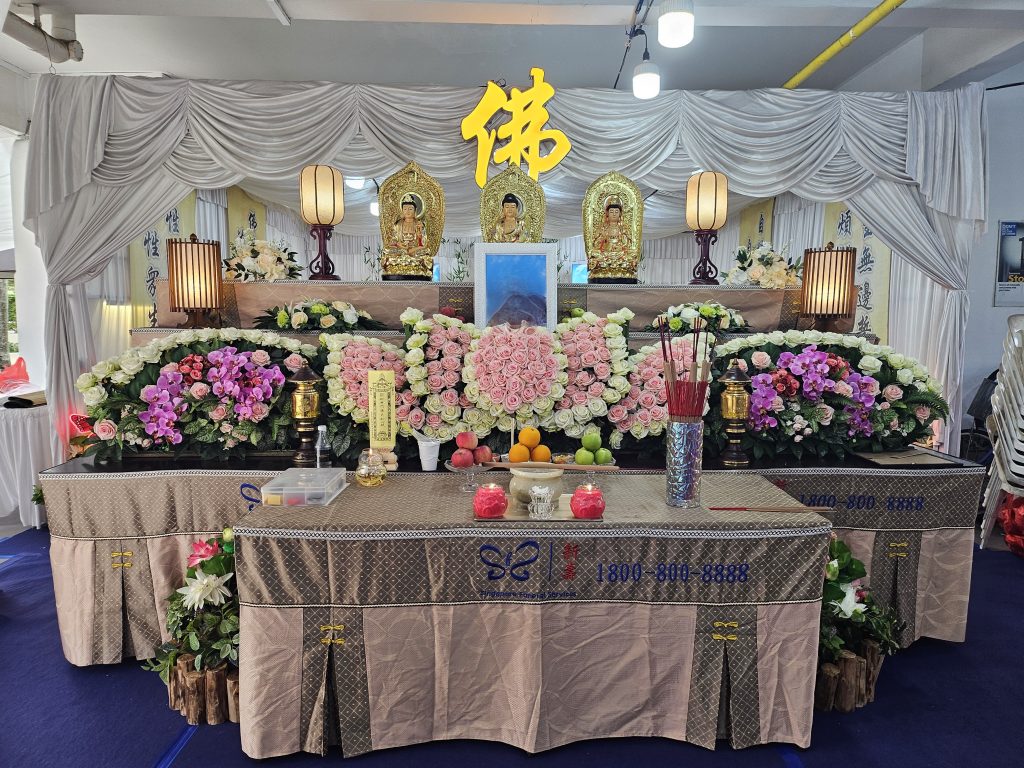
Next, you will need to plan the wake and funeral. In Singapore, wakes are commonly held at HDB void decks, funeral parlours, or private memorial spaces.
Wakes can last up to seven days, depending on religious practices and family needs. With three being the most common for the majority of Chinese families. Christian funerals are usually 1-3 days, while Buddhist or Taoist traditions prefer odd-numbered days (3,5,7).
Typically, the wake can include:
1) A holding of vigil during the wake by the family members.
2) Visitation and praying of respects by family and friends.
3) Receiving of condolences, wreaths, blankets, monies or other condolences.
4) Serving of buffet or on-site cooking
5) religious rites (such as chanting)
Choose Burial or Cremation
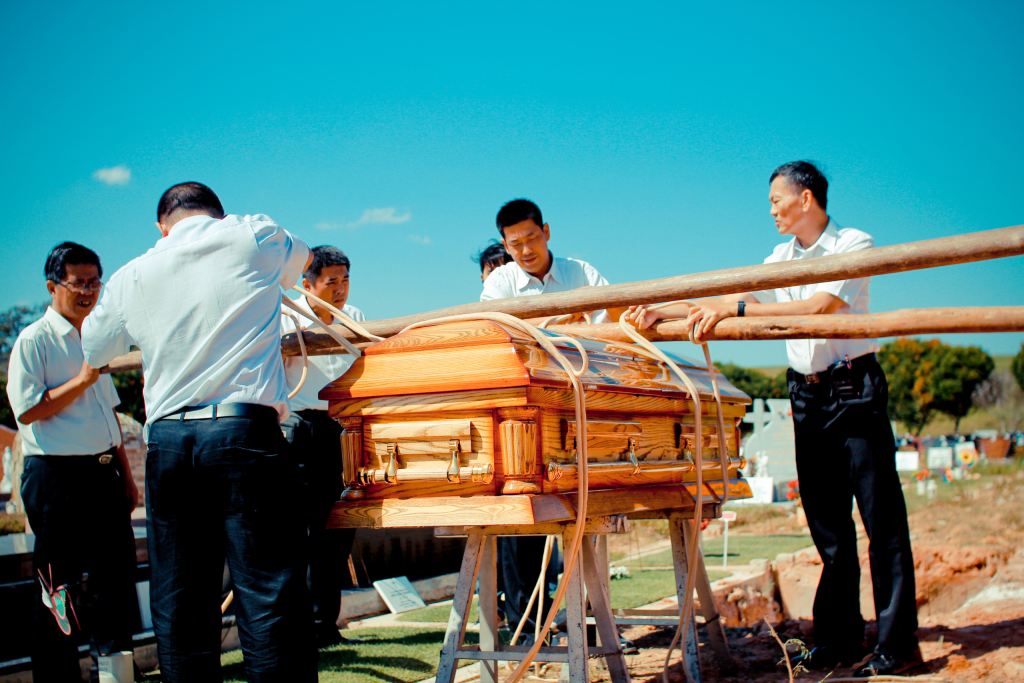
Due to land constraints, cremation is the more common option in Singapore.
Burial is still available at Choa Chu Kang Cemetery Complex, the only cemetery in Singapore open for new burials. However, cremation remains the preferred choice and can be carried out at the government-run Mandai Crematorium or private facilities such as Kong Meng San Phor Kark See Monastery.
It is important to note that burials in Singapore are not permanent. Due to land scarcity, burial periods are limited to 15 years. After this, remains are typically exhumed and either cremated or reinterred in niches.
Following cremation, ashes may be placed in a columbarium niche, kept at home (subject to guidelines), or scattered at sea or in designated gardens.
Post-funeral arrangements, such as 49/100 days prayers (An ling/ ji Ling) might also be arranged according to the preferences of the family.
Take Care of Yourself and Your Family
Grief can be overwhelming, especially when combined with administrative responsibilities.
During this time, try to share responsibilities among family members, accept help from friends or the community, and allow space for rest and emotional processing. Taking care of yourself is just as important as managing the arrangements.
A Gentle Reminder
You do not have to go through this alone, Take things one step at a time, and focus on honouring your loved one in a way that feels meaningful to you and your family.