
Blog Post
What Is Palliative Care and How Does It Help?
Palliative care is specialised care for people living with a serious or life-limiting illness. It focuses on improving quality of life by addressing the patient’s physical, psychological, social and spiritual needs. This means looking beyond the illness itself. The care team also considers how the condition is affecting the patient’s comfort, independence, relationships, emotions and…
Read MoreOne Moon, Many Traditions: How Mid-Autumn Festival Is Celebrated Across Asia
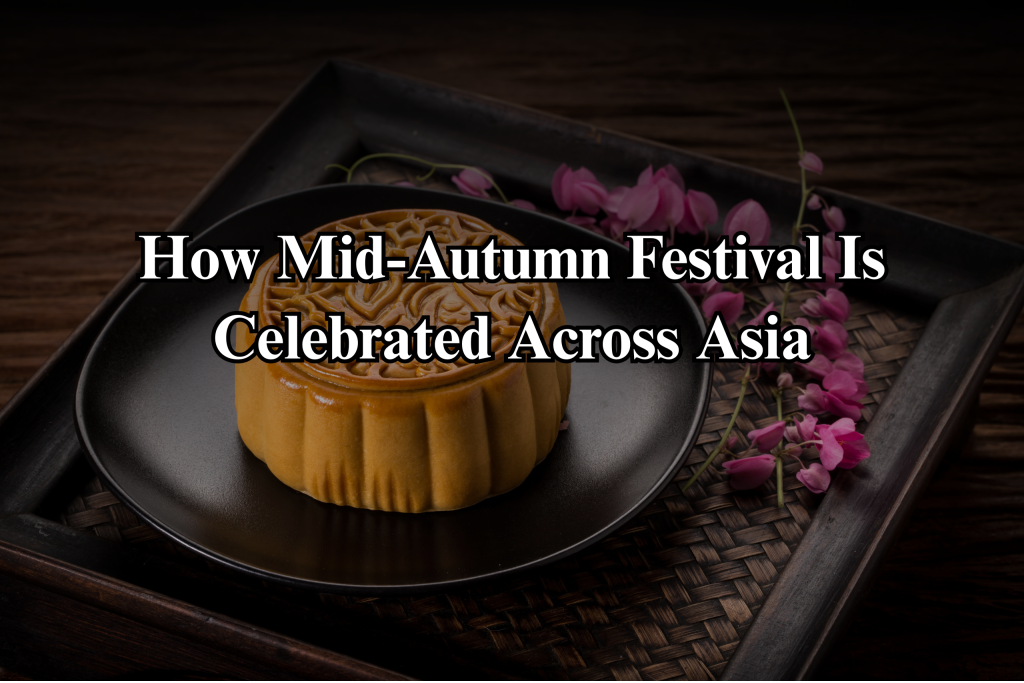
Mid-Autumn Festival is often associated with mooncakes, lanterns and family gatherings. Celebrated on the 15th day of the eighth lunar month, it falls when the moon is believed to be at its fullest and brightest. While the festival has roots in Chinese harvest traditions and moon worship, similar autumn moon celebrations are observed across Asia.…
Read MorePost-Funeral Arrangements And Their Prices In Singapore.
After the funeral ceremony families may still need to decide on a final resting place for their loved one. In Singapore, this decision is often shaped by a mix of family tradition, religion, budget, convenience and long-term visiting needs. Some families prefer a fixed place to visit, while others may prefer a simpler, nature-based farewell.…
Read MoreTranscendence of Getai Over the Years.
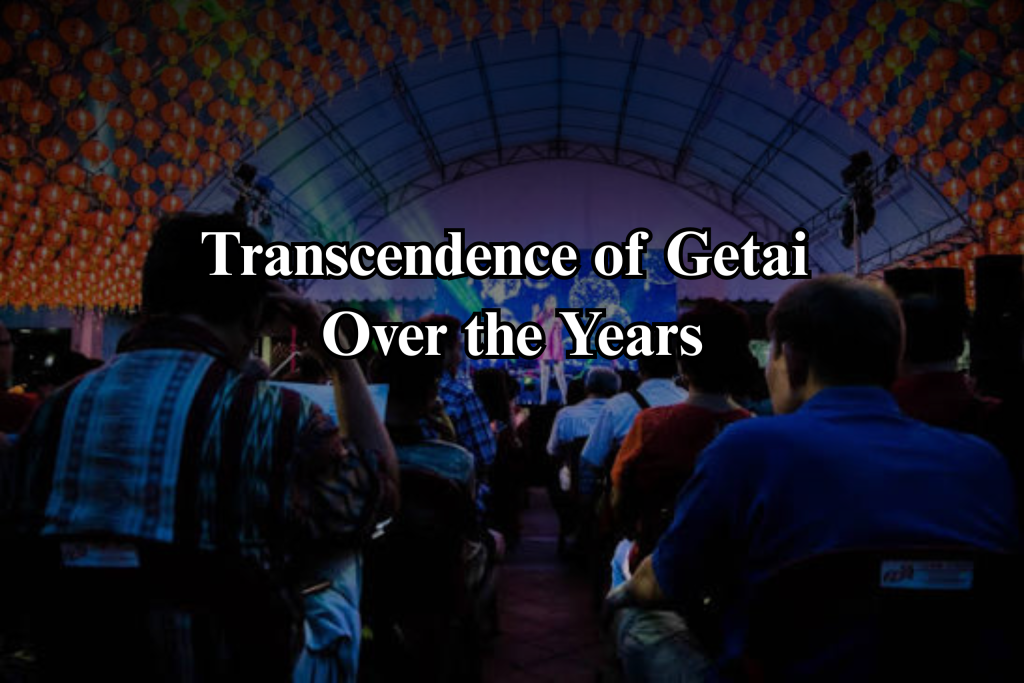
During the seventh lunar month, temporary stages appear in open fields, carparks and neighbourhood spaces across Singapore. As night falls, singers in glittering costumes perform beneath bright lights, while hosts entertain the crowd in Mandarin and Chinese dialects. These lively performances are known as getai (歌台), literally meaning “song stage”, and have become one of…
Read MoreHow Buddhists and Taoists Observe the Hungry Ghost Festival.
During the seventh lunar month (农历七月), temporary altars, incense burners and prayer ceremonies become a familiar sight across Singapore. This period is commonly referred to as the Hungry Ghost Festival, but Buddhist and Taoist communities do not necessarily understand or observe it in the same way. For Taoists, the month is closely associated with Zhong…
Read MoreWhat To Include In A Meaningful Eulogy

Writing a eulogy is one of the most meaningful ways to honour a loved one who has passed away. It is an opportunity to celebrate their life, share cherished memories, and reflect on the impact they had on the people around them. While many people feel overwhelmed when asked to deliver a eulogy, it is…
Read MoreYouth Day in the Digital Age: How Technology Is Shaping a New Generation
Youth Day is often used as a moment to celebrate the energy, creativity and potential of young people. But in today’s world, it is also worth asking a deeper question: what does growing up look like when almost every part of life is connected to technology? For many youths today, screens are no longer just…
Read MoreHISTORY AND TRADITIONS BEHIND THE DRAGON BOAT FESTIVAL
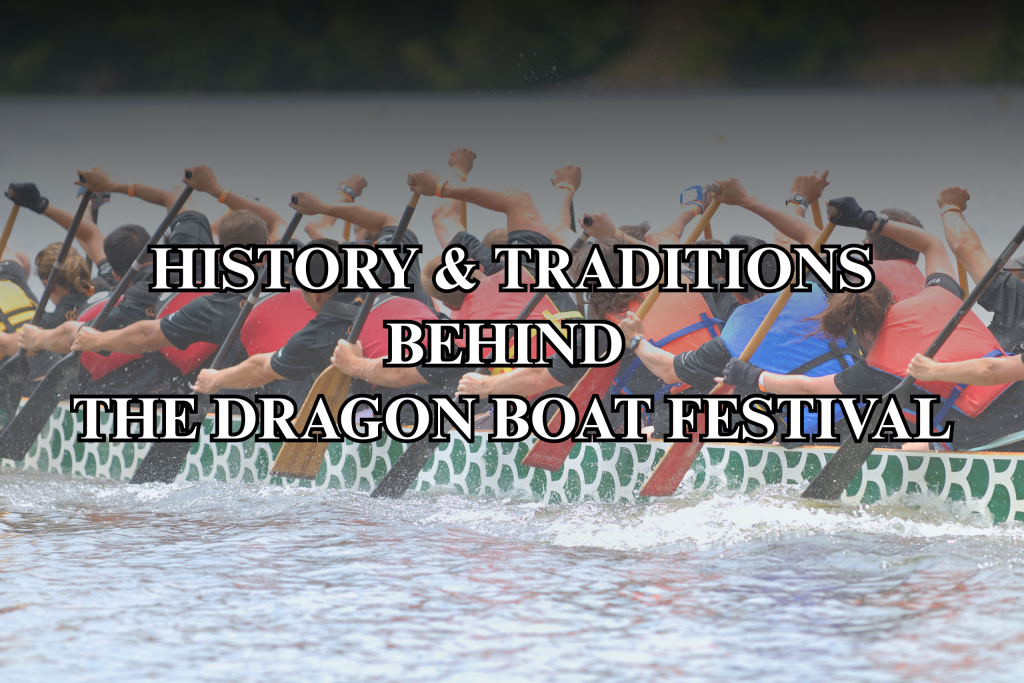
The Dragon Boat Festival, also known as Duanwu Festival (端午节), is one of the most important traditional festivals in Chinese culture. Celebrated on the fifth day of the fifth month of the lunar calendar, the festival is widely observed across China and many parts of Asia, including Singapore, Malaysia, Hong Kong, and Taiwan. Known for…
Read MoreLocal June Holiday Activities For Under $15

The June school holidays are a welcome break for primary school children after months of classes, homework, and assessments. For parents, it is also a valuable opportunity to spend quality time together, create lasting memories, and help children learn beyond the classroom. The good news is that a meaningful holiday does not have to involve…
Read MoreUnderstanding Vesak Day: Buddhist Teachings And Acts of Merit
Every year, Buddhists around the world come together to observe Vesak Day, one of the most important occasions in the Buddhist calendar. Also known as Buddha Day, Vesak commemorates the birth, enlightenment, and passing of Siddhartha Gautama, the Buddha. More than a religious celebration, Vesak Day serves as a time for reflection, compassion, mindfulness, and…
Read More