
How Memorial Spaces Help Families To Heal
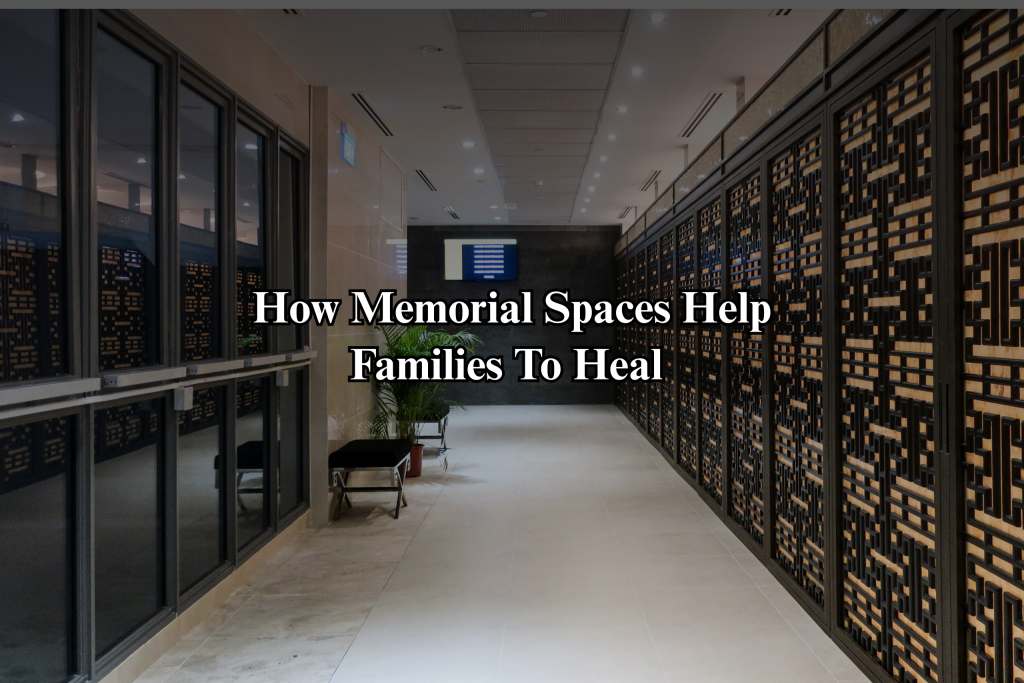
In Singapore’s fast-paced urban environment, moments of stillness and reflection are often hard to find especially during times of grief. Memorial spaces provide families with a meaningful place to pause, remember, and heal. Rooted in both modern practices and cultural traditions, these spaces play an especially important role during occasions such as Qing Ming Festival, when families come together to honour their ancestors.
A Dedicated Space for Remembrance
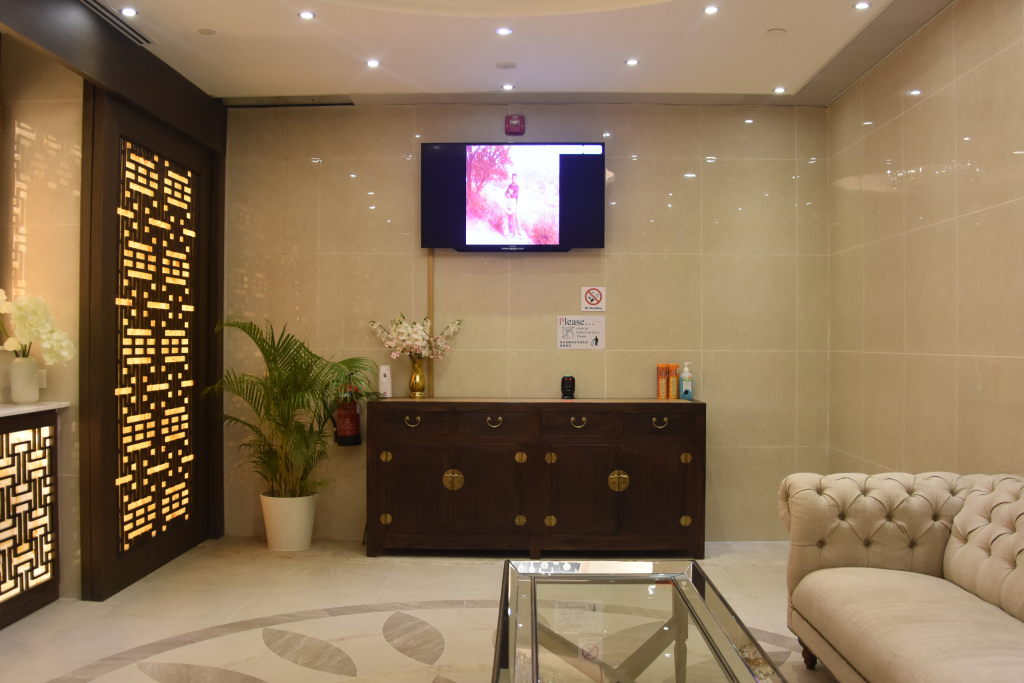
In Singapore, memorial spaces range from traditional open-air government columbaria such as Mandai Columbarium, to modern, high-tech facilities like our Goldhill Memorial Centre. Furthermore, all our niches are located underground, fulfilling the Chinese cultural requirement of “peace beneath the ground”, or “入土为安“, as they believe that enshrining the deceased beneath the earth will allow them to absorb the positive energies from the five elements (Wood, Fire, Earth, Metal, and Water) from deep within the earth to bestow blessings upon their descendants.
While open-air columbaria offer a more traditional, nature-connected setting for remembrance, newer air-conditioned columbaria provide private, climate-controlled suites designed for comfort and tranquillity. Despite these differences in environment and design, both serve the same purpose offering dedicated spaces where families can honour their loved ones, anchor their memories, and find a place to return to as they navigate the journey of grief.
The Role of Qing Ming Festival
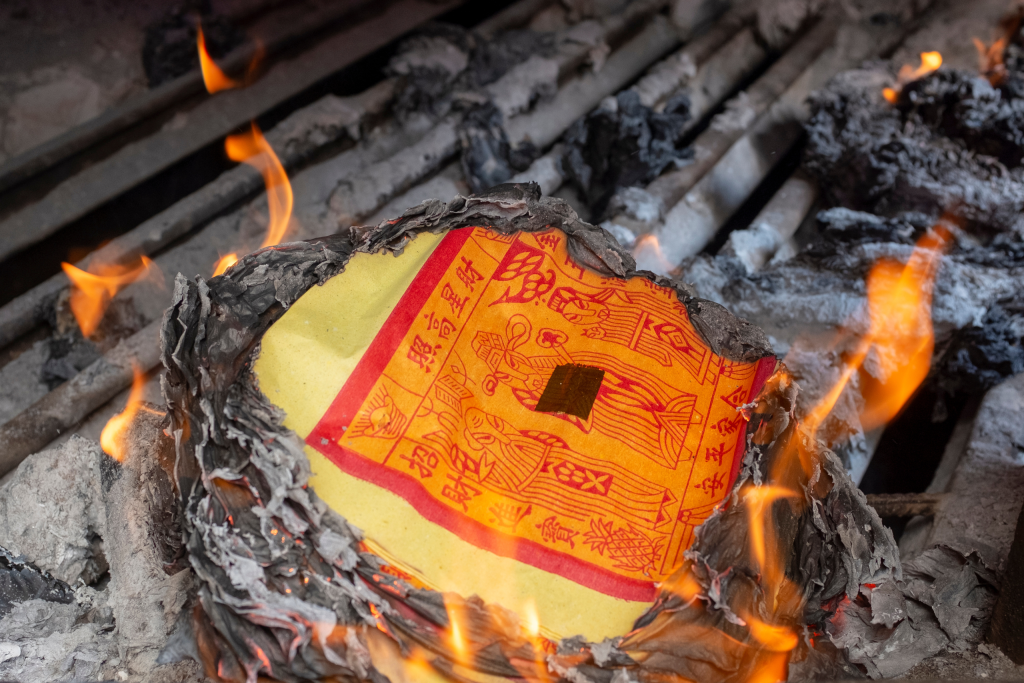
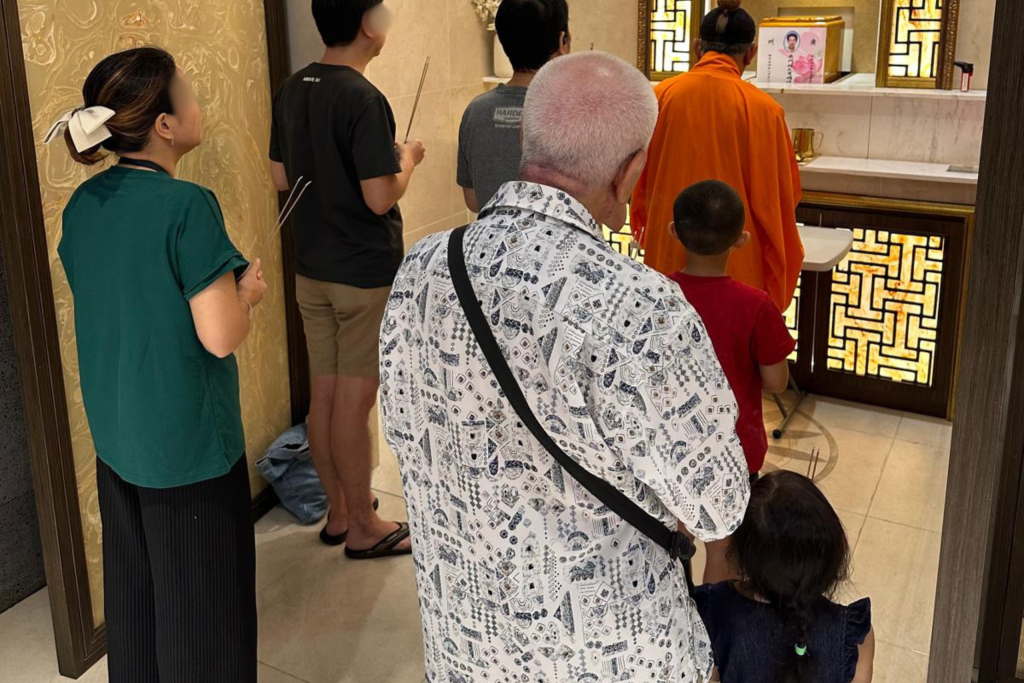
The Qing Ming Festival, also known as Tomb-Sweeping Day, is one of the most significant times for remembrance in Singapore’s Chinese community. Families gather to clean graves or niches, offer food, burn incense, and pay respects.
Beyond tradition, Qing Ming serves an emotional purpose as it brings families together in shared remembrance. These collective rituals help normalise grief, allowing individuals to process their emotions alongside loved ones. The act of returning each year reinforces connection, continuity, and respect for family lineage.
Strengthening Family Bonds Through Rituals
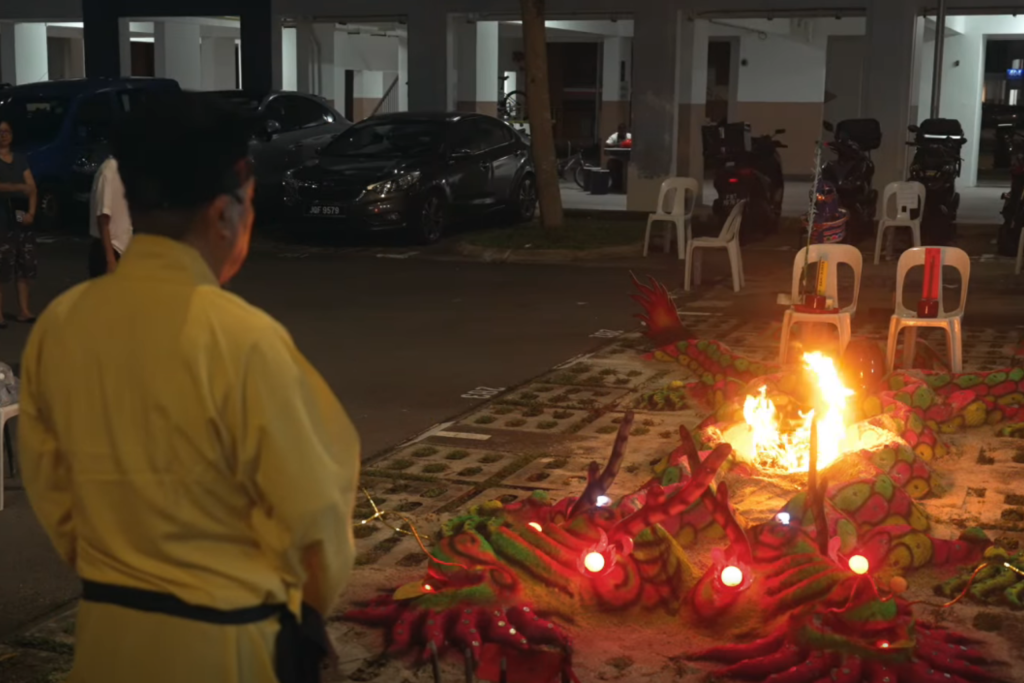
Special occasions like Qing Ming, death anniversaries, and birthdays of the departed create opportunities for families to reconnect. Memorial spaces become gathering points where stories are shared, memories are revisited, and younger generations learn about their heritage.
In a multicultural society like Singapore, similar practices can also be seen during Hungry Ghost Festival, where offerings are made to wandering spirits. These rituals, while differing in meaning, share a common purpose by maintaining a connection between the living and the departed.
Encouraging Emotional Healing
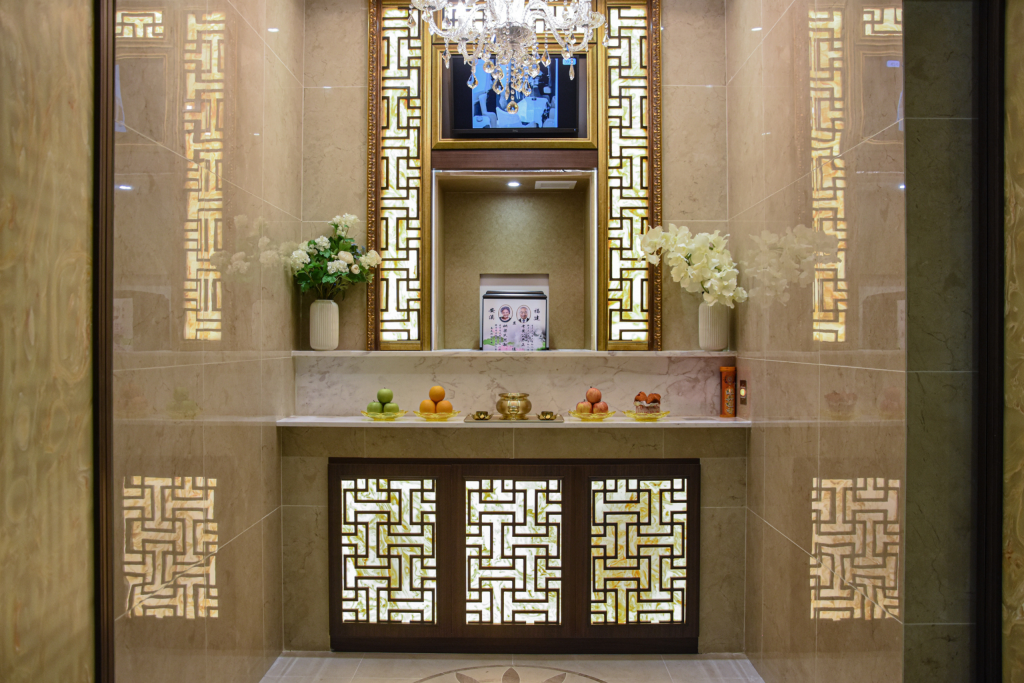
Grief is often internalised, especially in busy city life, where people quickly return to daily routines. Memorial spaces provide a quiet refuge for reflection, away from distractions. Whether during a festive visit like Qing Ming or a personal moment of remembrance, these comfortable air-conditioned booths provide an enclosed and private area, allowing individuals to process emotions at their own pace.

Over time, repeated visits can transform grief into a sense of calm acceptance. The familiarity of the space, combined with ritual, creates a comforting rhythm that supports emotional healing.
Preserving Legacy in a Modern City
As Singapore grows, memorial spaces like ours have also evolved, incorporating digital tributes and a comfortable and peaceful environment for visiting.. Despite these modern touches, their core purpose remains unchanged: preserving the memory and legacy of loved ones.
For many families, visiting these spaces during significant occasions ensures that traditions are passed down. Children and younger family members learn the importance of filial piety , remembrance and gratitude, values deeply embedded in our cultural fabric.