
HISTORY AND TRADITIONS BEHIND THE DRAGON BOAT FESTIVAL
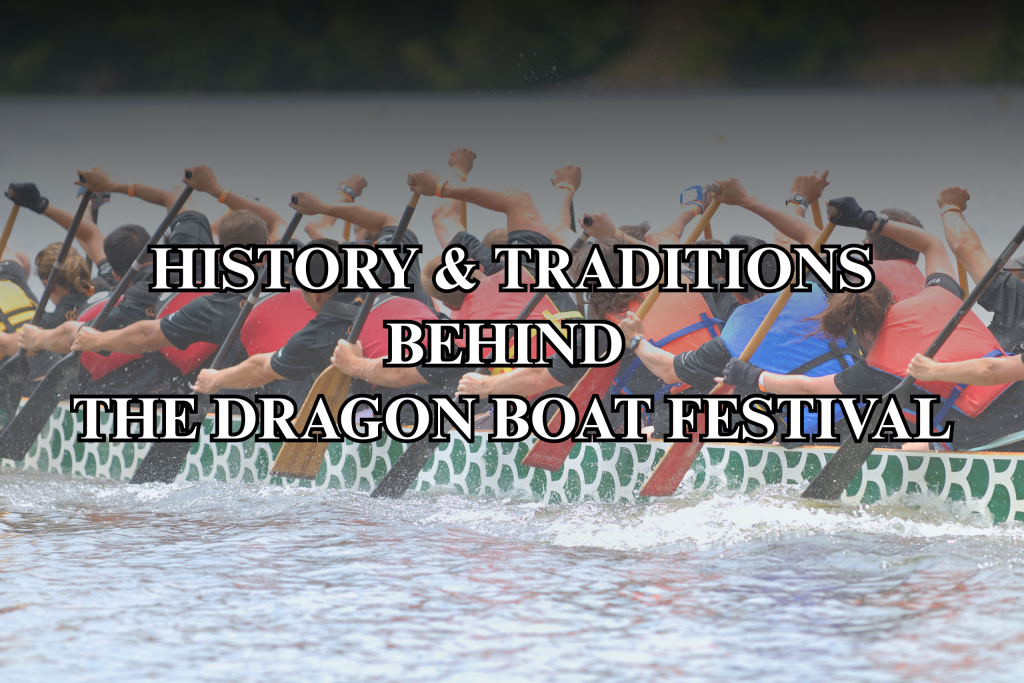
The Dragon Boat Festival, also known as Duanwu Festival (端午节), is one of the most important traditional festivals in Chinese culture. Celebrated on the fifth day of the fifth month of the lunar calendar, the festival is widely observed across China and many parts of Asia, including Singapore, Malaysia, Hong Kong, and Taiwan.
Known for its exciting dragon boat races and delicious rice dumplings known as zongzi (粽子), the festival carries a rich history rooted in remembrance, loyalty, and cultural tradition.
The History of the Dragon Boat Festival
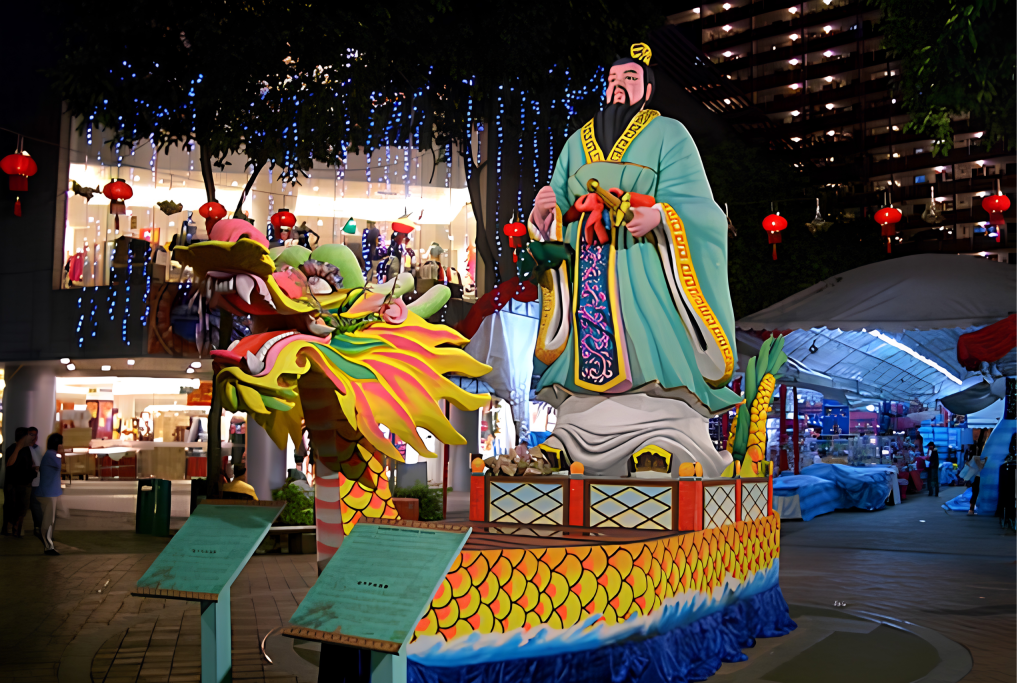
The origins of the Dragon Boat Festival date back more than 2,000 years. While there are several legends associated with the festival, the most widely known story centres around Qu Yuan (屈原), a patriotic poet and statesman from the ancient State of Chu during China’s Warring States period.
Qu Yuan was respected for his loyalty and dedication to his country. However, after being falsely accused of treason and exiled from the royal court, he became devastated when his kingdom eventually fell to enemy forces. In despair, Qu Yuan is said to have thrown himself into the Miluo River as an act of patriotism and sorrow.
According to legend, local villagers rushed out in boats to search for him while beating drums and splashing their paddles to scare away fish and evil spirits. They also threw packets of rice into the river to prevent fish from consuming his body. Over time, these acts evolved into two of the festival’s most iconic traditions: dragon boat racing and the eating of zongzi.
Today, the Dragon Boat Festival is recognised as an important cultural celebration and was added to UNESCO’s Representative List of the Intangible Cultural Heritage of Humanity in 2009.
The Meaning Behind Dragon Boat Races
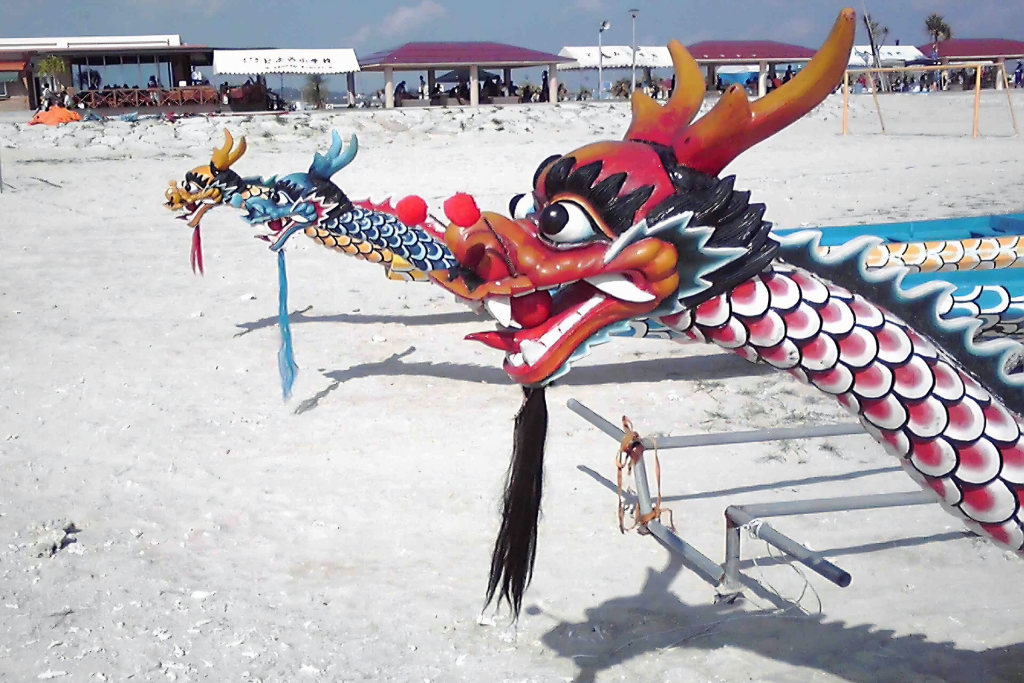
Dragon boat racing is one of the most recognisable aspects of the festival. The long, narrow boats are traditionally decorated with colourful dragon heads and tails, symbolising strength, power, and good fortune in Chinese culture.
Historically, the races were believed to represent the villagers’ attempts to rescue Qu Yuan from the river. The beating of drums during the races symbolises the effort to frighten away evil spirits and dangerous creatures in the water.
Beyond the legend of Qu Yuan, historians also believe dragon boat races may have originated from ancient rituals related to river worship, prayers for good harvests, and ceremonies meant to ward off illness and misfortune during the summer season. Some theories even suggest the races were once used as military training exercises involving fast rowing boats.
In modern times, dragon boat racing has evolved into an international sport enjoyed around the world. However, the tradition still represents teamwork, unity, perseverance, and community spirit — values deeply connected to the festival’s cultural roots.
Why Do People Eat Zongzi?
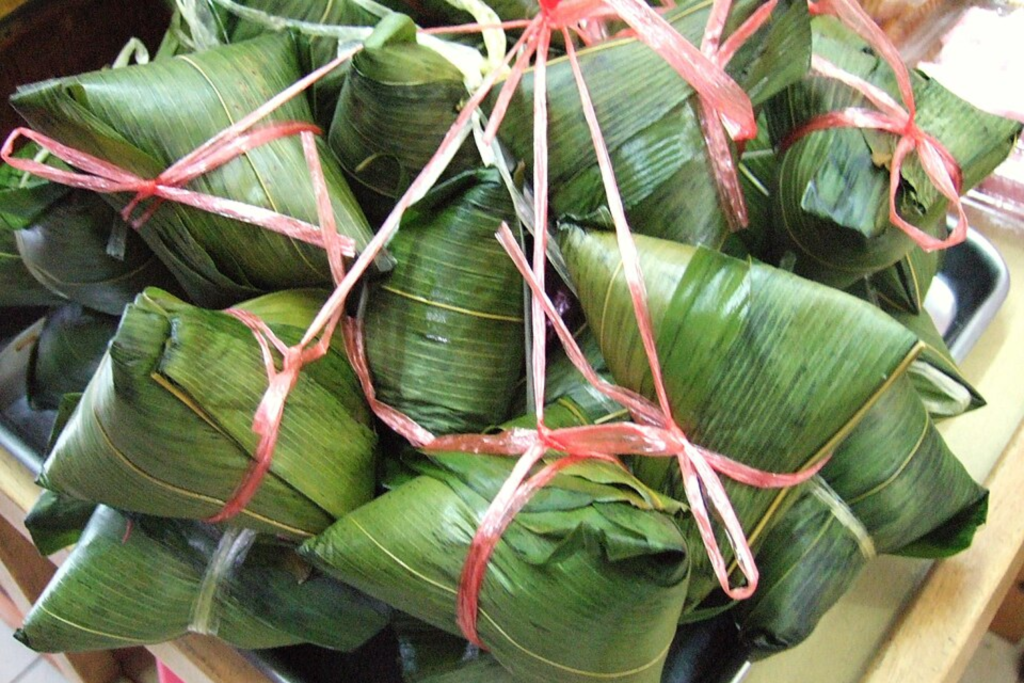
Zongzi (粽子) are traditional glutinous rice dumplings wrapped in bamboo or reed leaves. Depending on the region, they may contain sweet fillings such as red bean paste or dates, or savoury ingredients like pork, salted egg yolk, mushrooms, and chestnuts.
The tradition of eating zongzi is closely linked to the story of Qu Yuan. According to legend, villagers threw rice dumplings into the river so that fish would eat the rice instead of Qu Yuan’s body. Over generations, this symbolic offering became a meaningful festival food enjoyed by families during the Dragon Boat Festival.
Beyond its historical meaning, zongzi also symbolises togetherness and cultural heritage. Families often prepare and wrap zongzi together, passing recipes and traditions down through generations. Different regions across Asia have developed their own unique styles and flavours, making zongzi an important part of the festival’s identity and culinary culture.
Preserving a Tradition Through Generations
More than just a festive occasion, the Dragon Boat Festival serves as a reminder of loyalty, remembrance, and cultural identity. Through traditions such as dragon boat racing and the sharing of zongzi, communities continue to honour stories passed down over thousands of years.
Today, the festival remains an important cultural celebration that connects generations while preserving the rich heritage and values behind one of Asia’s most enduring traditions.