
8 Simple Tips to Improve Your Diet

Eating well doesn’t have to be complicated—even in a food paradise like Singapore. With a few practical and mindful changes, you can still enjoy your favourite local dishes while improving your health. Here are eight detailed and specific ways to improve your diet.
1. Reduce Sodium by Limiting Processed and Hawker Foods

High sodium intake is a major concern in Singapore. Many hawker dishes, soups, and sauces are loaded with salt, soy sauce, and MSG. Even foods perceived as healthy, such as Yong Tau Foo, can contain up to 2,700mg of sodium per serving, exceeding the recommended daily intake of 2,000mg. Hidden sodium also lurks in items like fishballs, luncheon meat, sauces, and canned soups. Try asking for less gravy or sauce when ordering, and choose soup bases like clear broth instead of laksa or curry. Cooking at home allows you to control seasoning—use herbs, lime juice, and spices for flavour without relying on salt.
2. Incorporate Omega-3 Rich Foods

Omega-3 fatty acids are essential for heart, brain, and joint health. Fatty fish like salmon, mackerel, and sardines are rich in these healthy fats, and they’re widely available in local wet markets. A 100g serving of grilled salmon provides around 2,000mg of omega-3s, which helps reduce inflammation and lower cholesterol. For vegetarians, try tempeh or chia seeds—both are excellent plant-based alternatives. You can also enjoy local dishes like sambal grilled mackerel (ikan kembung bakar) or add flaxseed to your morning oats.
3. Swap White Rice for Whole Grains
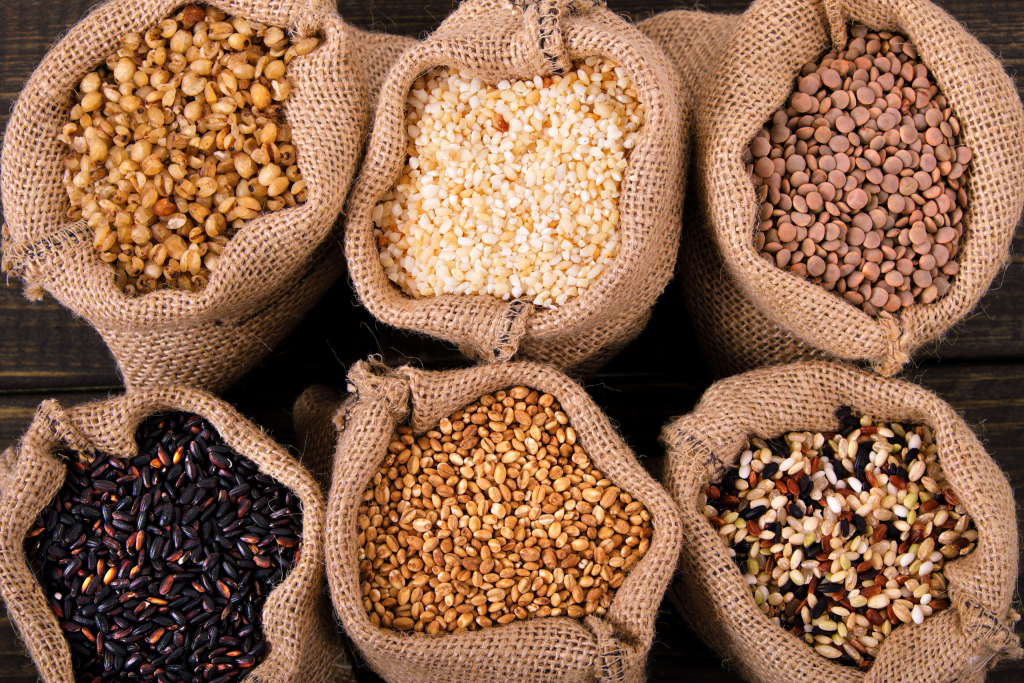
White rice is a beloved staple, but it’s also high in refined carbohydrates. Switching to brown, red, or multigrain rice can improve digestion and keep blood sugar levels stable. Brown rice contains three times more fibre and twice as much iron as white rice, which helps maintain energy levels and supports heart health. Try mixing white and brown rice at home if you’re adjusting to the taste, and next time, ask for brown rice at your favourite cai png stall! Wholegrain noodles and wholemeal bread are also good substitutes in local dishes like mee pok or kaya toast.
4. Boost Vegetable Intake with Local Favourites
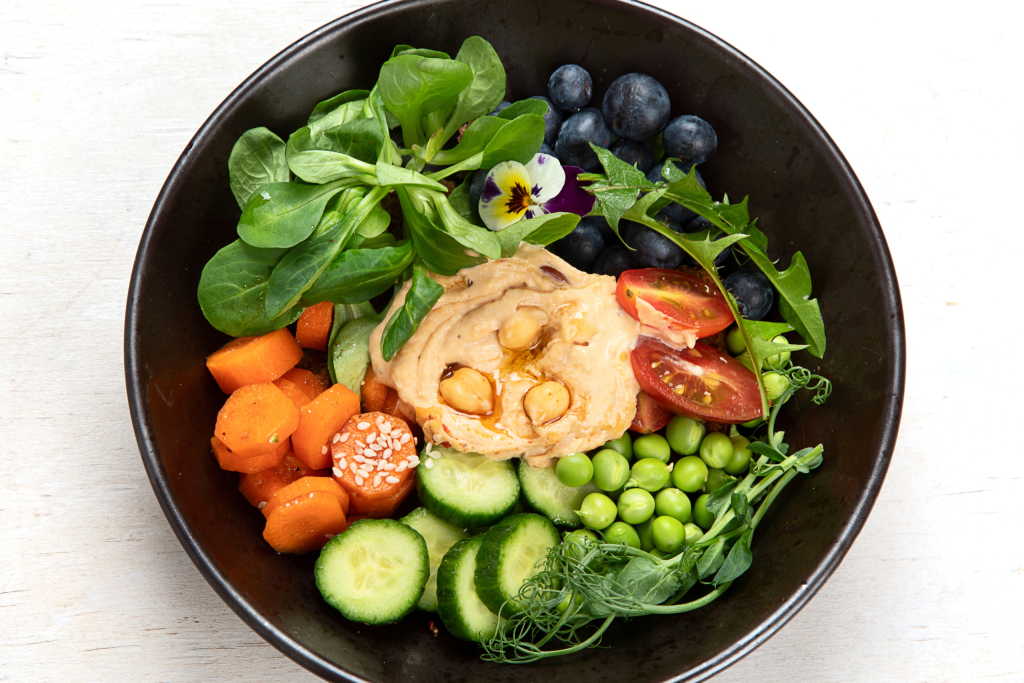
Most Singaporeans don’t get enough vegetables daily. You should aim to fill half your plate with colourful greens—kangkong, chye sim, long beans, and bitter gourd are rich in fibre, vitamin C, and antioxidants. A serving of stir-fried bok choy (about 100g) provides roughly 50% of your daily vitamin A needs. Add extra vegetables when ordering mixed rice or noodles, or prepare simple stir-fried greens at home with garlic and olive oil. Even adding bean sprouts or lettuce to noodles can make a difference.
5. Snack Smart with Nuts and Fruits
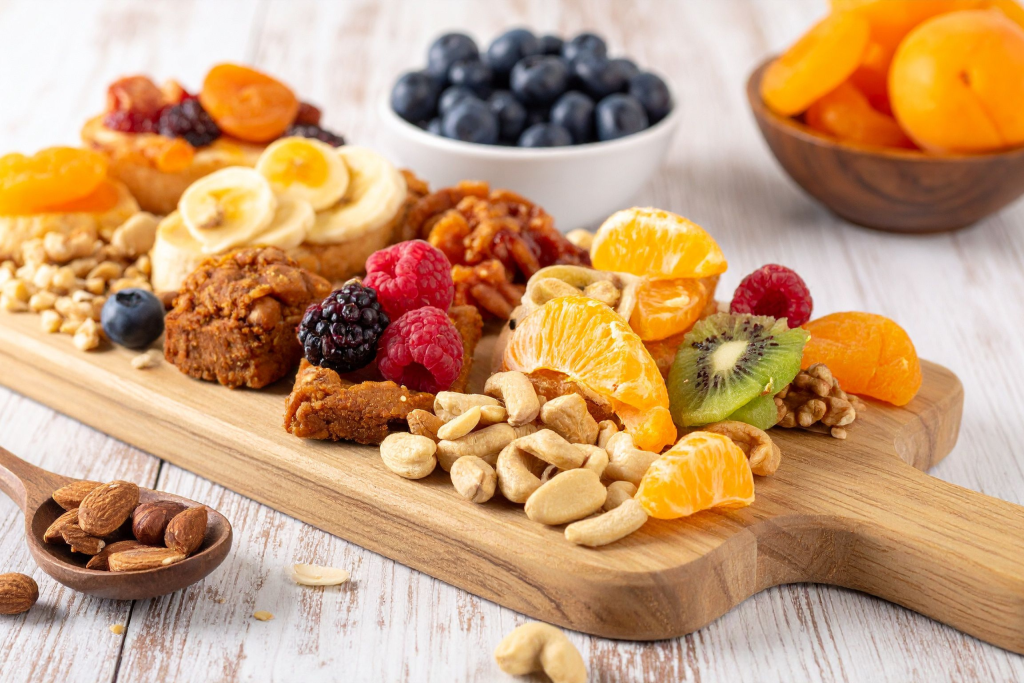
Instead of grabbing keropok, potato chips, or sweet pastries, reach for nutrient-dense snacks like nuts and fruits. Almonds, walnuts, and peanuts are good sources of healthy fats, while tropical fruits like papaya, guava, and dragon fruit are naturally low in calories but high in vitamins. For instance, a single guava provides four times the vitamin C of an orange. Keep small packets of mixed nuts in your bag for a mid-afternoon energy boost, or enjoy fruit cups from local supermarkets for convenience.
6. Mind Your Portion Sizes at Hawker Centres
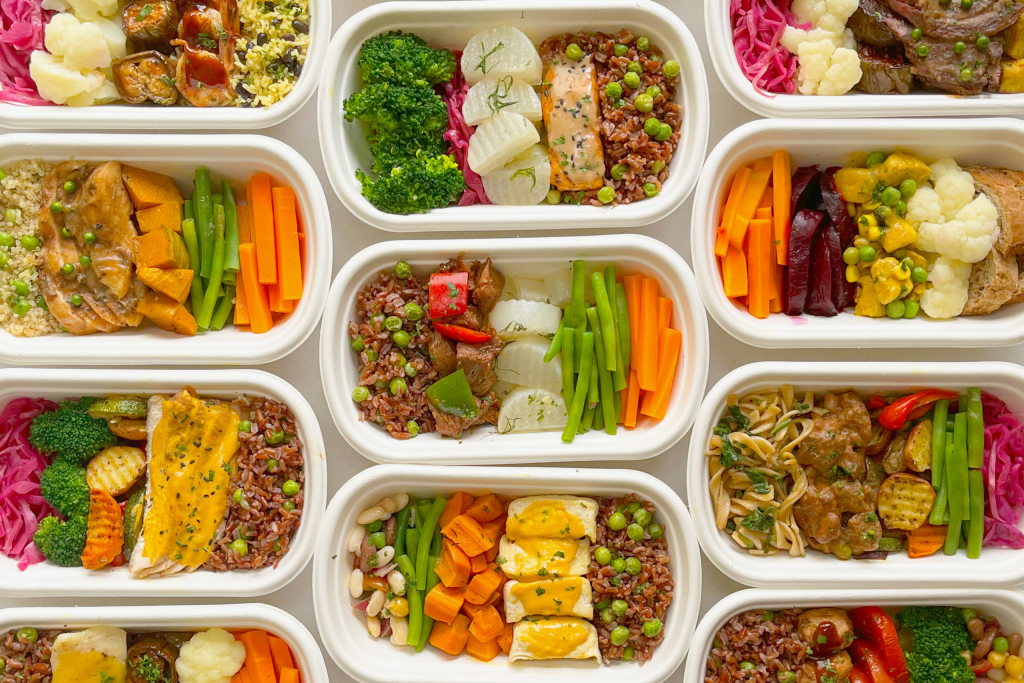
It’s easy to overeat when food is affordable and delicious. Large portions of rice, noodles, and fried items add up quickly. Share dishes, order smaller portions, or balance your plate by adding more vegetables and soup instead of fried sides. For example, swapping fried chicken wings for steamed tofu or fish can reduce calorie intake by up to 300 calories per meal. Eating slowly and stopping when you feel satisfied—not full—can also help with weight management.
7. Hydrate with Water and Unsweetened Drinks

The hot, humid weather in Singapore makes sweetened drinks tempting, but they often contain excessive sugar. A regular cup of bubble tea can have as much as 15 teaspoons of sugar—three times the daily limit. Replace one sugary drink each day with plain water, coconut water, or unsweetened teas like chrysanthemum or green tea. If you crave flavour, try infusing your water with lemon, cucumber, or mint. Keeping a water bottle on hand helps ensure you stay hydrated throughout the day.
8. Include Fermented Foods for Gut Health
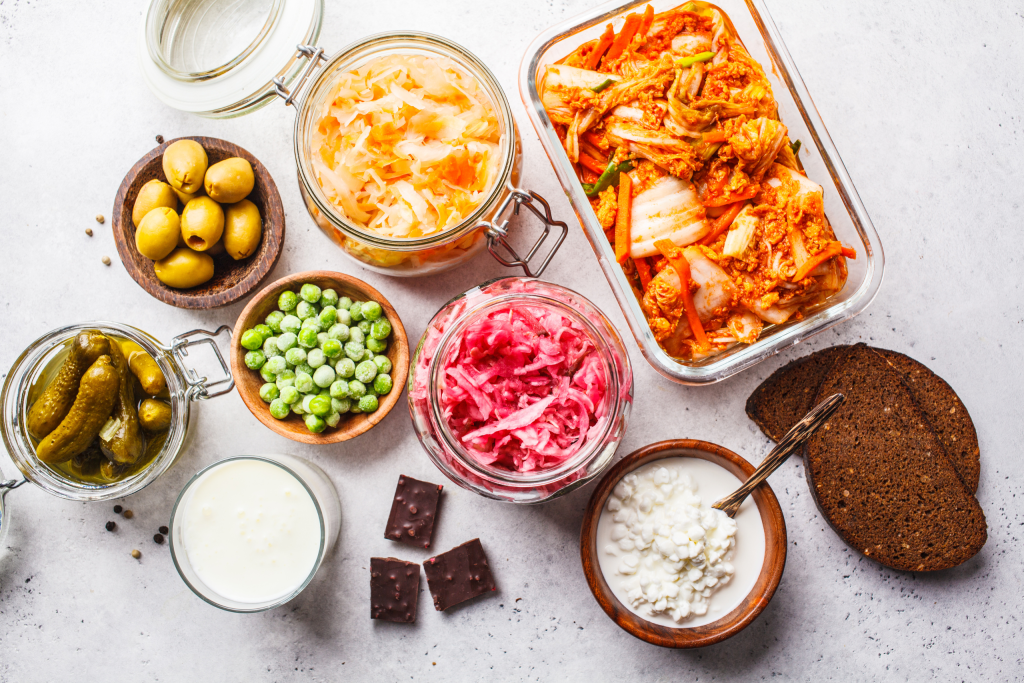
A healthy gut improves digestion, immunity, and even mood. Fermented foods such as tempeh, kimchi, miso soup, and tau kwa contain beneficial probiotics. Including these foods a few times a week supports a healthy gut microbiome. For example, tempeh is rich in protein and gut-friendly bacteria, making it a great meat alternative. Add miso paste to soups, mix kimchi into fried rice, or top your salad with fermented tofu for a nutritious twist.
Improving your diet in Singapore doesn’t mean giving up your favourite foods—it’s about making smarter, culturally relevant choices. By reducing sodium, increasing fibre and omega-3s, choosing healthier snacks, and being mindful of portions, you can still enjoy all your local favourites—just in a way that nourishes your body and supports your long-term health.