
How much should cash should you put in your Ang Pao?
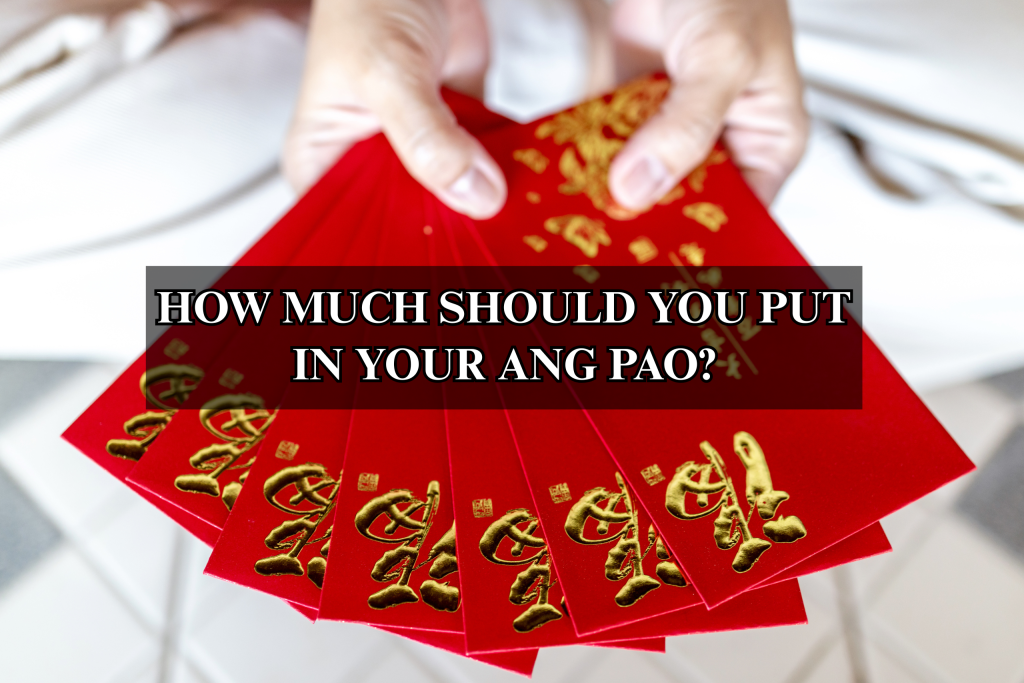
The giving of red packets, commonly known as hongbao or angbao, is one of the most enduring and meaningful (and profitable) traditions of Chinese New Year. In Singapore, this practice continues to play an important cultural role, blending long-held beliefs with modern social and economic realities.
At its core, the red packet symbolises blessings, good fortune, and protection for the year ahead. While the money inside is appreciated, it is the intention behind the gesture that carries the most significance.
Origins and Cultural Meaning

Historically, red packets were given to ward off bad luck and negative spirits, particularly to protect children. The colour red is associated with prosperity, happiness, and vitality, making it especially auspicious during the Lunar New Year period.
Traditionally, married adults give red packets to unmarried children, juniors, and elders as a sign of goodwill and respect. In modern Singapore, this has expanded to include godchildren, extended family members, domestic helpers, and occasionally service staff.
The Economics of Red Packet Giving

From an economic perspective, Chinese New Year represents a period of increased cash circulation. Banks in Singapore typically see higher demand for new notes ahead of the festive season, and many households plan a dedicated budget for red packets as part of their annual expenses.
In the weeks leading up to Chinese New Year, banks in Singapore experience strong demand for new banknotes — especially crisp bills that are considered more suitable for gifting. Major banks such as DBS, OCBC, and UOB make these notes available through pop-up ATMs and reservation services, and customers often plan ahead to withdraw them before the festive period begins. This is due to newly minted bills being deemed as more auspicious for the new year.
In recent years, digital red packets and cashless transfers have also gained popularity, particularly among younger families. While physical red packets remain the norm, these digital alternatives reflect changing habits in a highly connected and cash-light society.
Despite rising costs of living, there is no expectation to give beyond one’s means. Social norms around red packets are flexible, and moderation is widely accepted.
Recommended Red Packet Amounts
There is no fixed or official rate for red packets. The appropriate amount depends on the giver’s relationship with the recipient and personal financial comfort. Below is a commonly referenced guideline :
| Recipient | Common Amount Range (SGD) |
|---|---|
| Parents & grandparents | $88 – $288 |
| Own children or godchildren | $88 – $288 |
| Children of friends or relatives | $8 – $20 |
| Domestic helpers or service staff | $2 – $80 |
These figures are indicative rather than prescriptive, and many families adjust them based on household size and circumstances.
Numbers and Etiquette

Certain numerical preferences are commonly observed:
- Even numbers are preferred, as they are associated with harmony.
- The number 8 is considered especially auspicious due to its association with prosperity.
- The number 4 is generally avoided, as it sounds similar to the word for “death” in Chinese dialects.
It is also customary to present red packets with both hands as a sign of respect, and to avoid opening them in front of the giver.
The tradition of giving red packets during Chinese New Year remains a meaningful way to express blessings, gratitude, and goodwill. In Singapore, this practice has adapted to modern lifestyles while retaining its cultural roots.
Ultimately, the value of a red packet lies not in the amount given, but in the sincerity of the gesture. Giving within one’s means, with consideration and respect, is fully in keeping with the spirit of the season.