
The Story Behind Chinese Names Part 3: Liu, Wang & Zhou (刘、王、周)
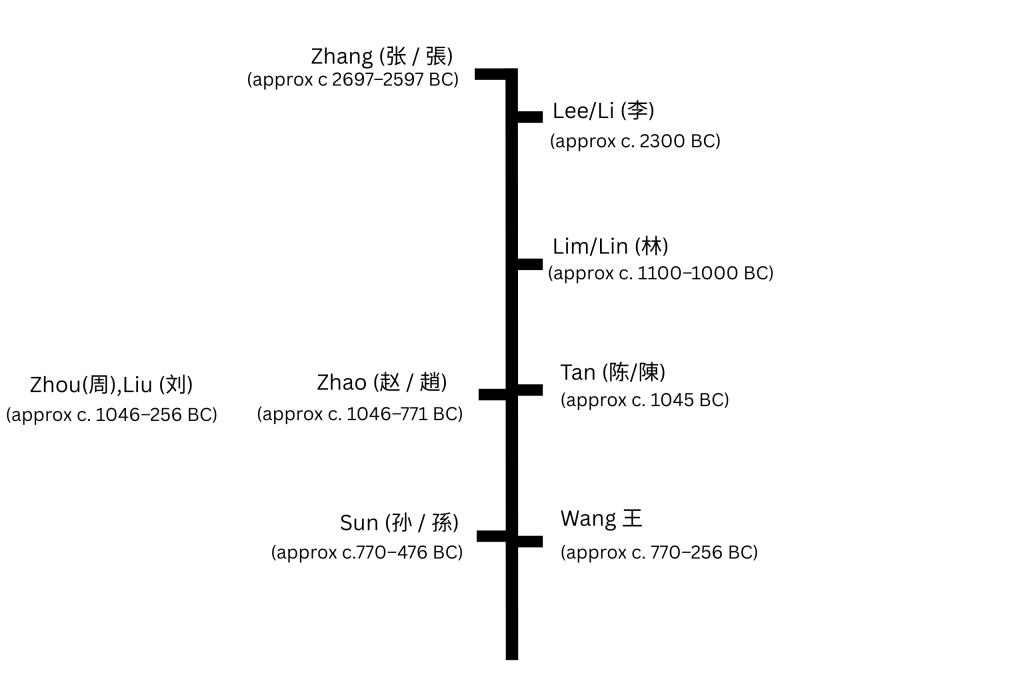
As we continue our surname series, Part 3 turns to three names that sit at the very core of Chinese civilization: Liu, Wang, and Zhou.
These surnames became widespread not merely through migration, but because they were closely tied to dynasties, kingship, and state-building across early Chinese history.
Let’s explore how these names emerged, what they represent, and the legendary figures who helped cement their place in history.
Liu 刘 (Liú)
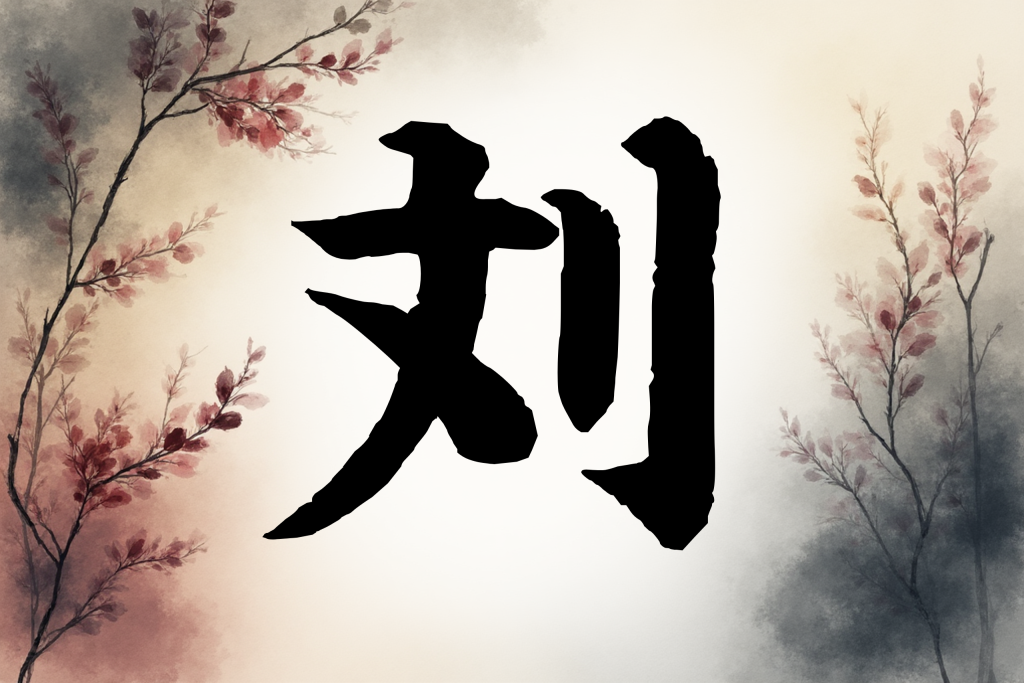
Origins
The surname Liu emerged during the Zhou dynasty (c. 1046–256 BC), originally linked to noble titles and fief names. It rose to prominence after Liu Bang, founder of the Han dynasty, adopted Liu as the imperial surname.
As members of the imperial clan, officials, and later commoners aligned themselves with the ruling house, Liu spread widely across China.
Interesting Facts
- Liu became one of China’s most prestigious surnames due to its association with the Han imperial family.
- The Han dynasty’s long and stable rule helped permanently entrench the surname in Chinese society.
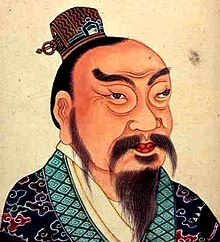
Legendary Figure: Liu Bang (刘邦)
Founder of the Han dynasty (202 BC), Liu Bang rose from humble origins to become emperor after overthrowing the Qin dynasty.
His reign marked a shift toward Confucian governance, moderation, and legal restraint — values that shaped Chinese political culture for centuries.
Through him, the surname Liu became synonymous with legitimacy, resilience, and the rise of the common man.
Wang 王 (Wáng)
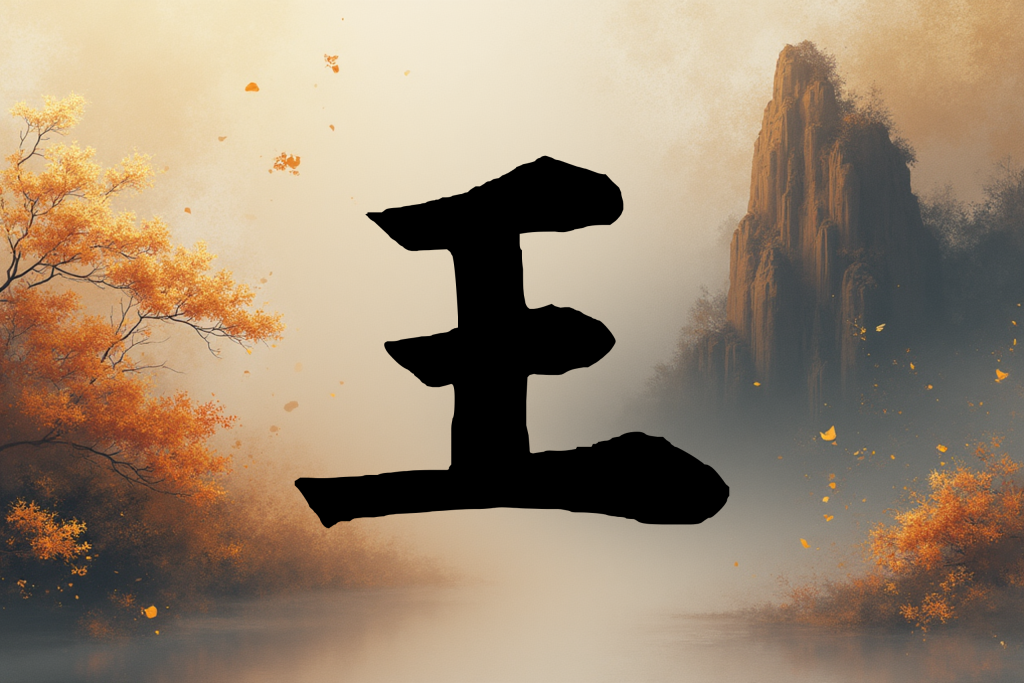
Origins
Meaning “king”, the surname Wang originated Eastern Zhou period (770–256 BC) when descendants of former royal families adopted the title as a family name after losing political power.
Across multiple dynasties, displaced nobility used Wang to preserve their lineage identity, which explains why the surname became extraordinarily widespread.
Interesting Facts
- Wang is today the most common surname in China.
- Its broad adoption reflects centuries of dynastic change and social transformation.
Legendary Figure: Wang Xizhi (王羲之)
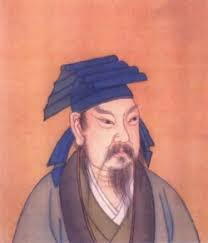
Living during the Eastern Jin dynasty (4th century AD), Wang Xizhi is revered as the “Sage of Calligraphy.”
His work, especially Preface to the Orchid Pavilion, defined Chinese calligraphy as both an art form and scholarly discipline.
Through him, the surname Wang became associated not only with royalty, but with culture, refinement, and intellectual legacy.
Zhou 周 (Zhōu)

Origins
The surname Zhou traces directly to the Zhou dynasty (c. 1046–256 BC). Members of the royal clan and those enfeoffed by the Zhou kings adopted the dynasty name as their surname, passing it down through generations.
Interesting Facts
- The Zhou dynasty introduced the concept of the Mandate of Heaven, a political philosophy that justified rule through moral virtue.
- Zhou remains a common surname across both northern and southern China.
Legendary Figure: King Wen of Zhou (周文王)
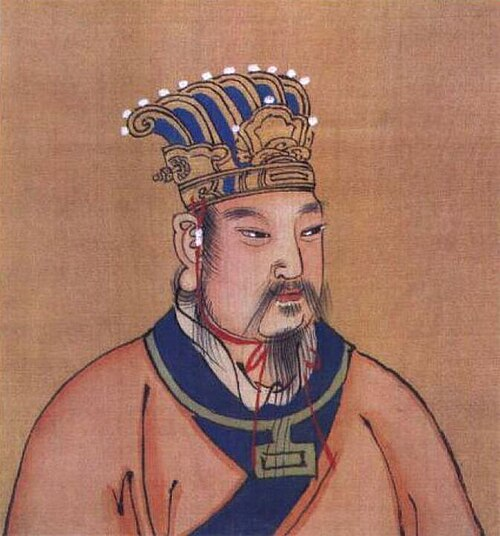
King Wen is remembered as a sage ruler whose moral leadership laid the foundation for the Zhou dynasty’s rise.
He is traditionally credited with developing early interpretations of the I Ching, influencing Chinese philosophy, governance, and cosmology.
His legacy linked the surname Zhou with virtue, wisdom, and rightful rule.
Each of these surnames reflects a different pillar of Chinese civilization: imperial authority, royal legacy, and moral governance.
Together, they remind us that surnames are not just inherited but are historical witnesses, carrying the memory of how societies were built, ruled, and sustained.