
One Moon, Many Traditions: How Mid-Autumn Festival Is Celebrated Across Asia
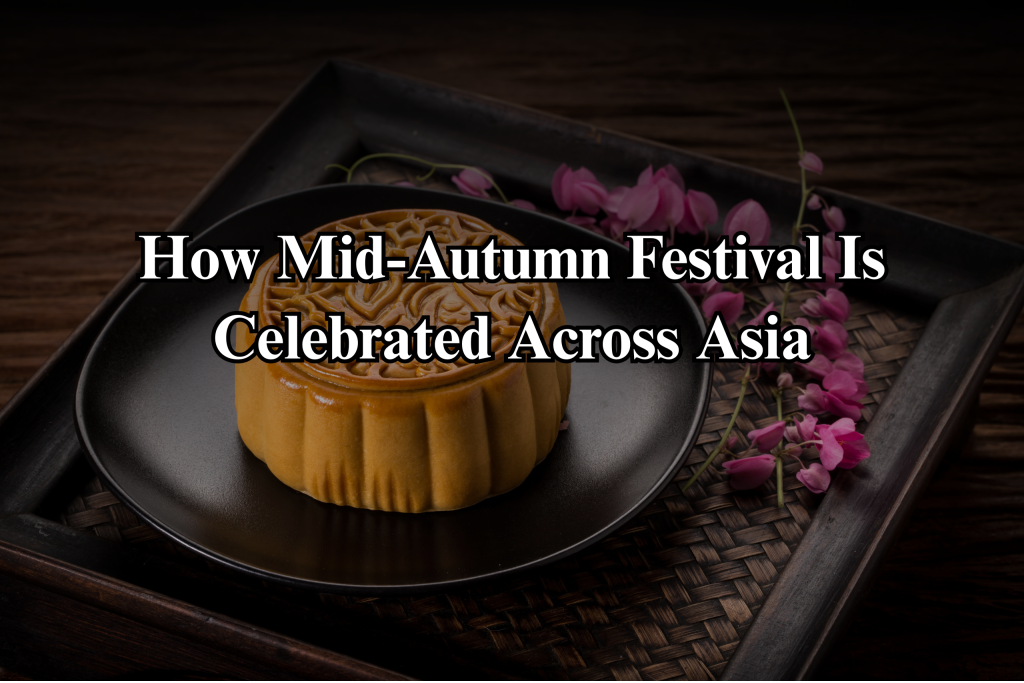
Mid-Autumn Festival is often associated with mooncakes, lanterns and family gatherings. Celebrated on the 15th day of the eighth lunar month, it falls when the moon is believed to be at its fullest and brightest.
While the festival has roots in Chinese harvest traditions and moon worship, similar autumn moon celebrations are observed across Asia. Customs, stories and foods vary from place to place, but they share familiar themes: gratitude for the harvest, appreciation of the moon and time spent with loved ones.
From Harvest Festival to Family Reunion
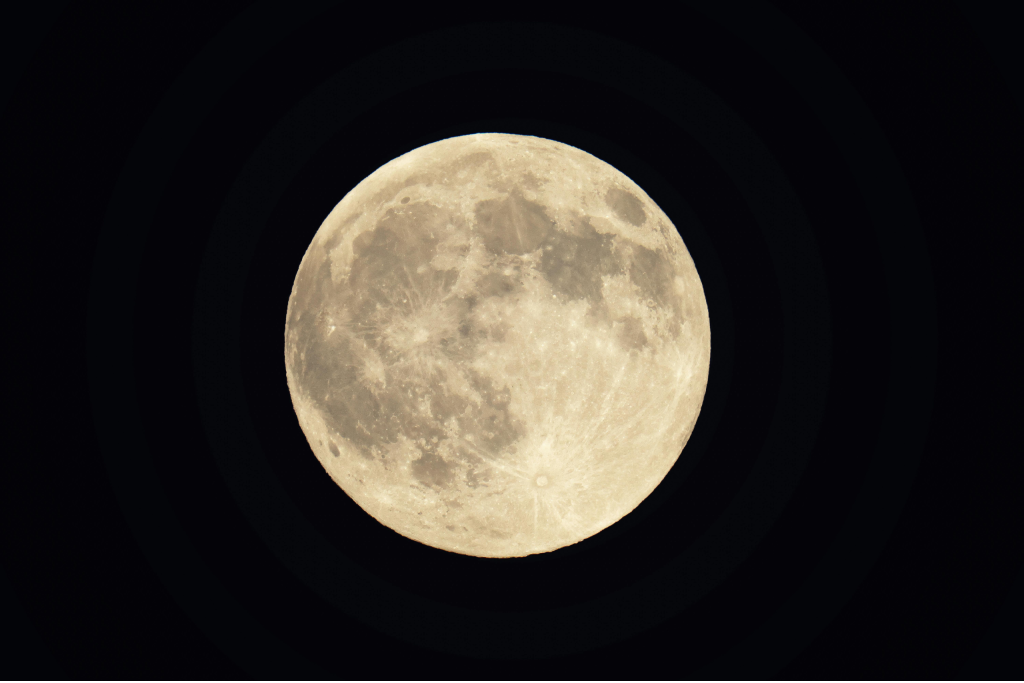
The earliest forms of Mid-Autumn Festival were closely tied to the agricultural calendar. After the harvest season, communities gave thanks for favourable weather and abundance. The bright autumn moon became a natural focus for outdoor gatherings, offerings and reflection.
Over time, the round full moon came to represent completeness and reunion. In Chinese culture, this idea is often expressed through the word 团圆 (tuányuán), meaning family reunion or togetherness. Even when relatives live far apart, looking at the same moon can be a meaningful reminder of their connection.
The festival is also linked to enduring legends. The best-known is the story of Chang’e, who is said to live on the moon after taking an elixir of immortality. Other familiar figures include Hou Yi, the archer, and the Jade Rabbit, who is often depicted making the elixir. These stories have helped make moon-gazing more than a simple seasonal activity. It is also a moment to think about home, family and loved ones who may be far away.
China and Singapore: Mooncakes, Lanterns and Modern Flavours
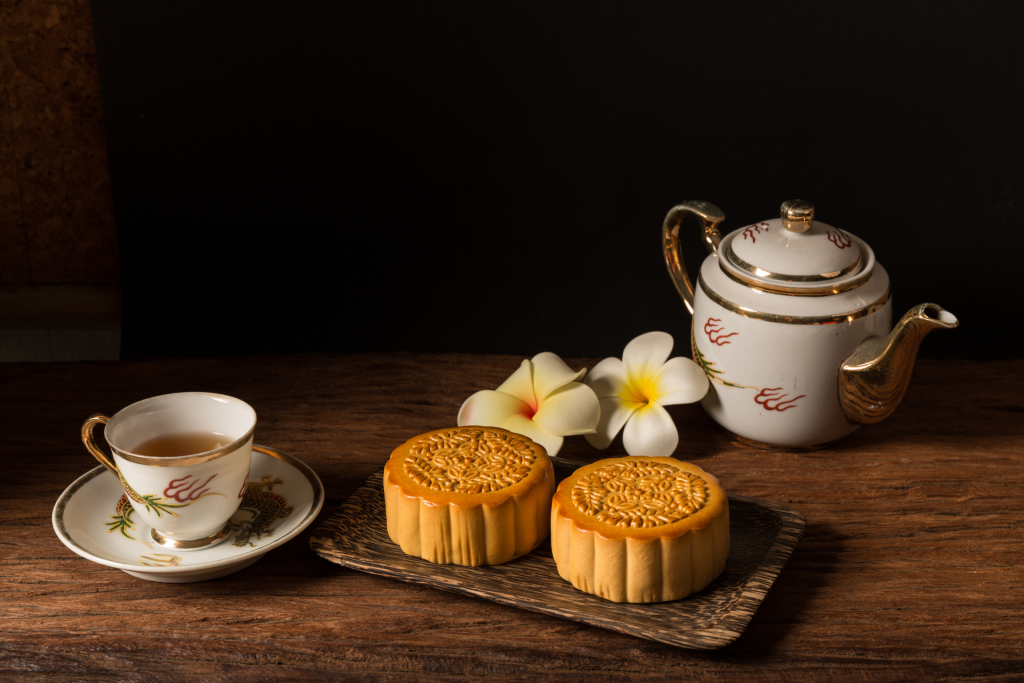
In Chinese communities, including Singapore, Mid-Autumn Festival is commonly celebrated by sharing mooncakes, enjoying tea, eating seasonal foods and spending time with family.
Mooncakes are traditionally round to resemble the full moon. They are shared as a symbol of unity, harmony and good wishes. Classic baked mooncakes may contain lotus seed paste, red bean paste or mixed nuts, often with a salted egg yolk at the centre to represent the moon.
In Singapore, mooncakes, pomelos and tea remain familiar parts of the celebration, while children often play with lanterns. Lanterns are now largely decorative and recreational, but they were historically used as spiritual offerings. Today, lantern displays, community events and family outings continue to give the festival a lively public character.
Like many long-standing traditions, the festival has adapted to modern tastes. Snow-skin mooncakes, ice-cream mooncakes and flavours such as durian, chocolate and truffle are common seasonal offerings. Mooncake gifting has also become a familiar way for businesses, colleagues, friends and families to show respect and appreciation.
Vietnam: A Festival for Children
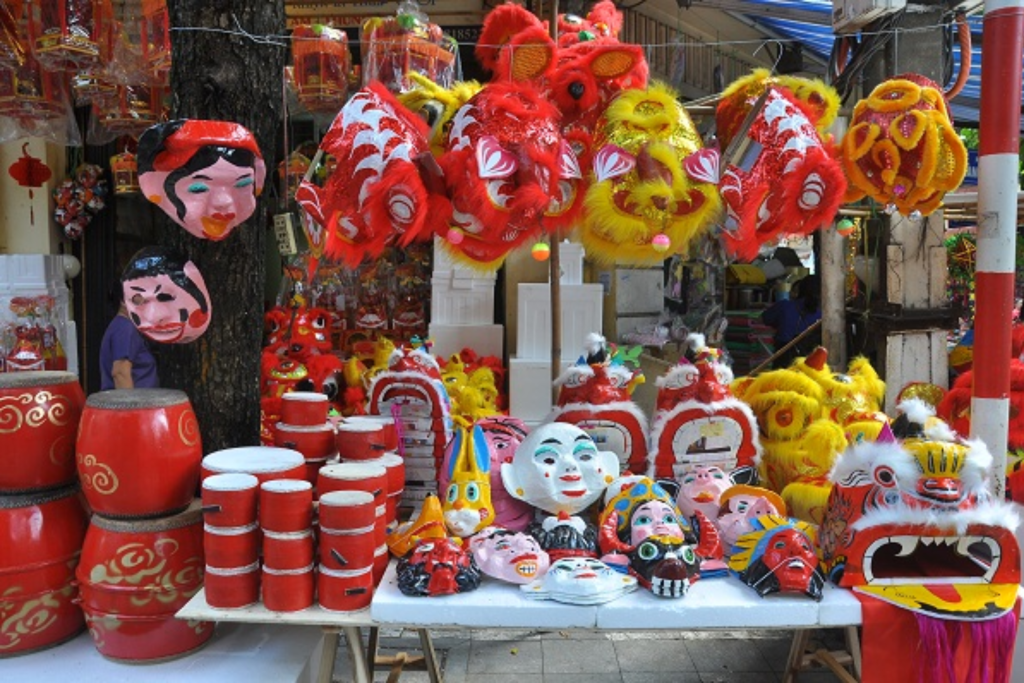
In Vietnam, Mid-Autumn Festival is known as Tết Trung Thu. It is also widely recognised as the Children’s Festival, with lanterns, lion dances, toys and colourful street celebrations playing a central role.
Children may take part in lantern processions after dark, often carrying the familiar red star-shaped lantern. Lion dance performances and the sound of drums add to the festive atmosphere. One Vietnamese legend tells of Cuội, a man who was carried to the moon on a magical banyan tree. Children carrying lanterns are said to help light his way back to Earth.
Mooncakes are also important in Vietnam, though they come in distinct forms. Bánh nướng are baked mooncakes with a wheat crust, while bánh dẻo are soft, sticky rice-based mooncakes. Families may place mooncakes and fruit on ancestral altars before sharing them together under the full moon. Modern Vietnamese bakeries now offer a wide range of sweet and savoury flavours, showing how a traditional festival food continues to evolve.
Korea: Chuseok and Honouring Ancestors
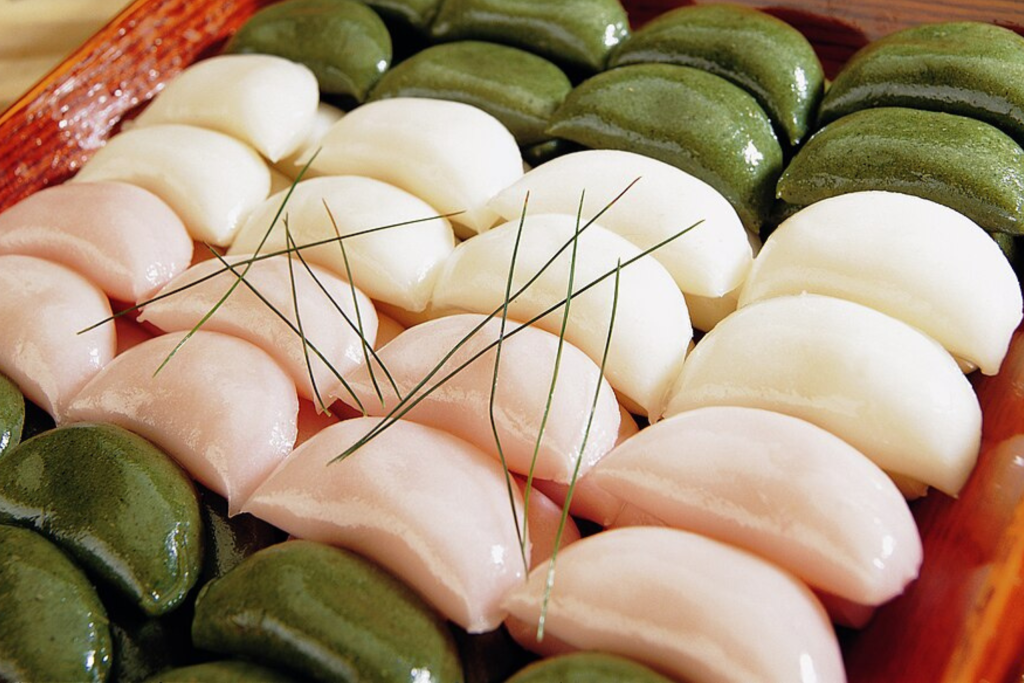
Korea’s Chuseok takes place around the same period and is one of the country’s most important traditional holidays. Often compared to a harvest thanksgiving, it is a time when many people return to their family homes, gather for meals and honour their ancestors.
A key Chuseok custom is charye, a memorial rite in which freshly harvested food, rice wine and other dishes are prepared as offerings for ancestors. Families may also visit ancestral graves, a practice known as seongmyo, to pay their respects.
One of the best-known Chuseok foods is songpyeon, a small half-moon-shaped rice cake filled with ingredients such as sesame seeds, beans or chestnuts. Unlike the full, round mooncakes associated with Chinese Mid-Autumn Festival, the half-moon shape is often understood as representing growth and the promise of what is still to come.
Japan: Tsukimi From Quiet Moon Viewing to Seasonal Menus
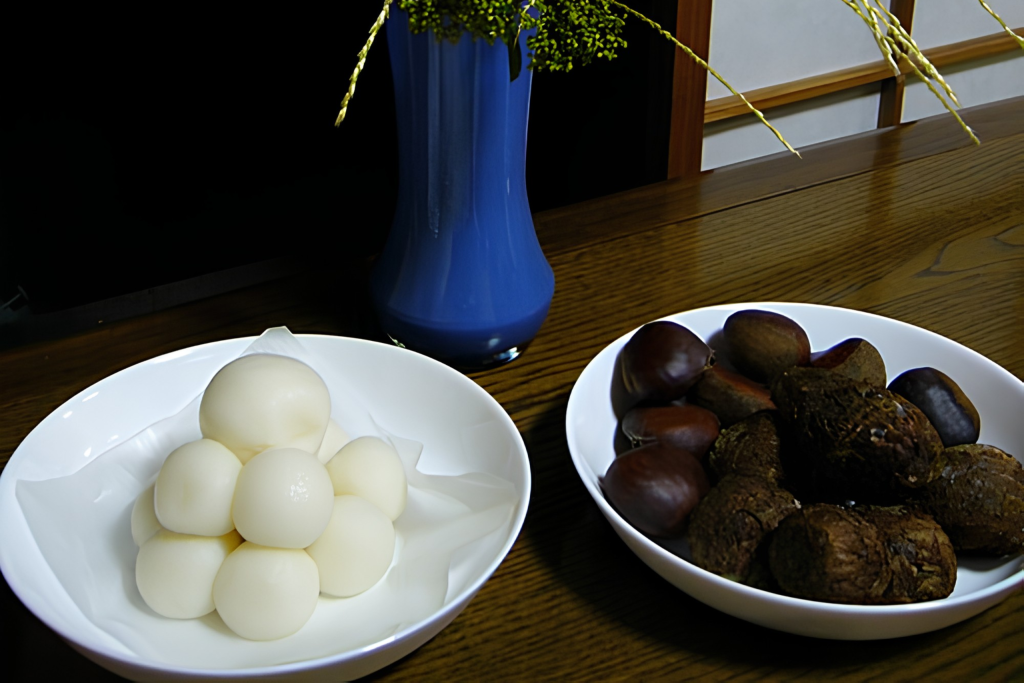
In Japan, tsukimi literally means “moon viewing”. Traditionally held around the autumn harvest moon, it is a quieter observance centred on appreciating the beauty of the night sky and giving thanks for the season’s harvest.
A typical tsukimi display may include tsukimi dango, round rice dumplings arranged to resemble the moon, alongside pampas grass and autumn produce such as taro, sweet potatoes, grapes and pears. The offerings reflect gratitude for a bountiful harvest.
Modern Japan has also given tsukimi a distinctly commercial and playful side. Every autumn, restaurants and convenience stores release limited-time “moon-viewing” foods, often featuring a round egg yolk or egg as a visual stand-in for the full moon. Japan’s McDonald’s introduced its Tsukimi Burger in 1991 as a seasonal product inspired by the custom of moon viewing, and it returns each autumn with changing variations. Its 2025 line-up included the classic burger, a sukiyaki-inspired version, a moon-viewing pie and a seasonal shake.
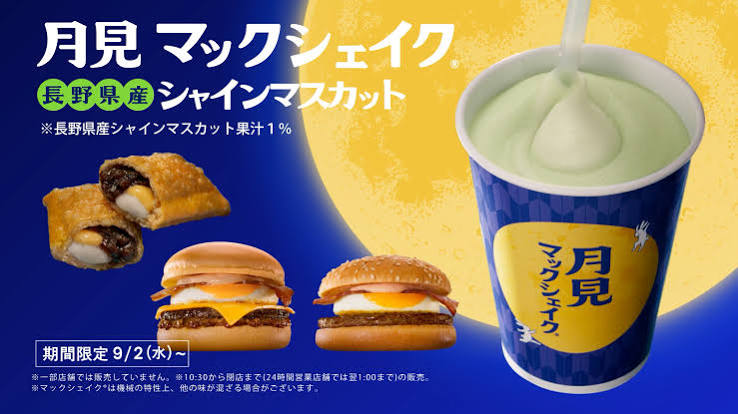
This does not replace traditional tsukimi dango or moon viewing. Instead, it shows how a cultural tradition can remain visible in everyday life through seasonal food, packaging, advertising and shared experiences.
Different Customs, Shared Meaning
Each tradition reflects a similar human instinct: to pause during the harvest season, look up at the moon and appreciate the people gathered around us. Whether it is through mooncakes, songpyeon, lanterns or a seasonal Tsukimi Burger, the full moon continues to bring old customs into new generations.