
Ageing Gracefully: Understanding Your Body’s Changes as You Grow Older
Climbing the stairs may take more effort than before. Your appetite might change, or you may find yourself waking earlier in the morning. As we grow older, changes in our bodies can raise questions about our health, independence and ability to keep doing the things we enjoy.
Ageing gracefully begins with understanding these changes and responding to our needs. Everyone ages differently, and small, consistent adjustments can help support strength, comfort and confidence in daily life.
Bones can become less dense

Our bones are living tissue that is constantly being renewed. As we age, bone loss can outpace replacement, leaving bones weaker and more vulnerable to fractures. Women are particularly affected after menopause, when falling oestrogen levels accelerate bone loss.
Osteoporosis can develop without obvious symptoms until a bone breaks. Feeling well does not necessarily mean that your bones are strong.
To support bone health, include calcium-rich foods such as milk, yoghurt and calcium-fortified soya milk. Vitamin D helps the body absorb calcium. Walking and suitable resistance exercises also help support bones. If you have had a fracture after a minor fall or have other risk factors, ask your doctor whether a bone density assessment is appropriate.
Muscle strength may decline
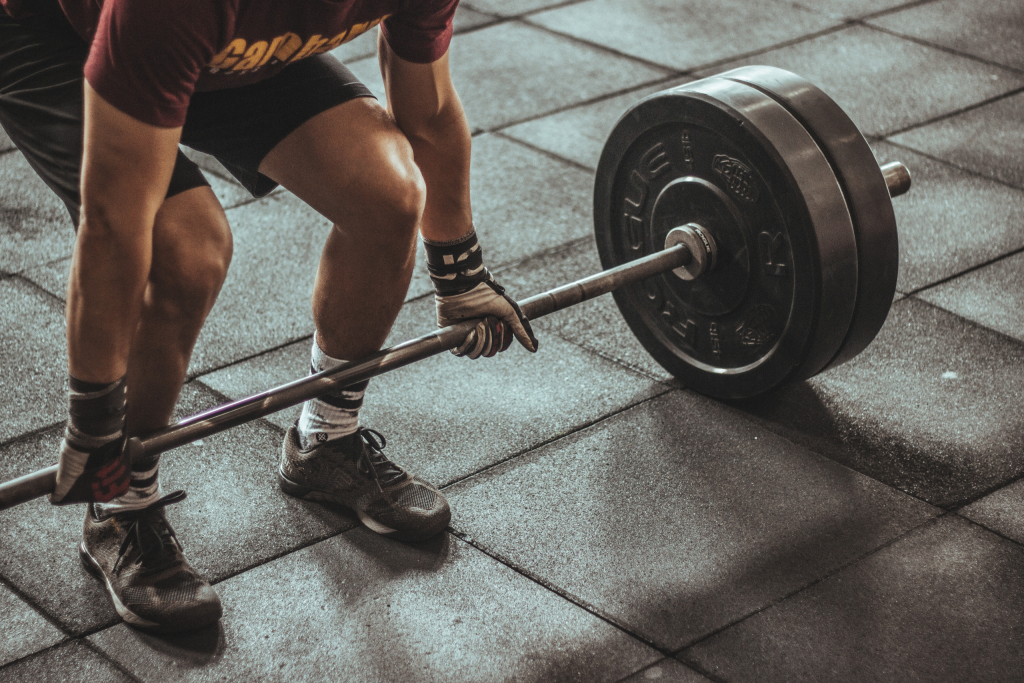
Losing muscle can make everyday activities, such as carrying groceries, climbing stairs or getting out of a chair, more difficult. Age-related muscle loss can also affect balance and mobility. The encouraging news is that regular activity and strength exercises can help slow this decline, and older adults can still build strength.
Simple ways to stay active include:
- Low-impact movement: Walking, swimming or stationary cycling can help you build a regular exercise habit without jumping or running. Start with short, comfortable sessions and gradually increase what you can manage.
- Sit-to-stand exercises: Using a sturdy chair that will not slide, practise standing up and sitting down slowly, using the armrests for support if needed.
- Supported heel raises: Hold a stable surface, slowly lift your heels, then lower them with control.
- Light resistance exercises: Resistance bands or light weights can help strengthen the muscles used for lifting and carrying.
Include strength exercises alongside your walks or other aerobic activities. HealthHub recommends strength, balance and flexibility exercises at least three days a week for older adults. Its 7 Easy Exercises guide offers demonstrations to follow. Start at a manageable level and seek advice if you have pain, poor balance or a condition that affects exercise. healthhub.sg
Food matters too. Include protein sources such as fish, eggs, chicken, tofu or beans in your meals to support muscle maintenance. www.healthhub.sg
Try a social sport such as pickleball
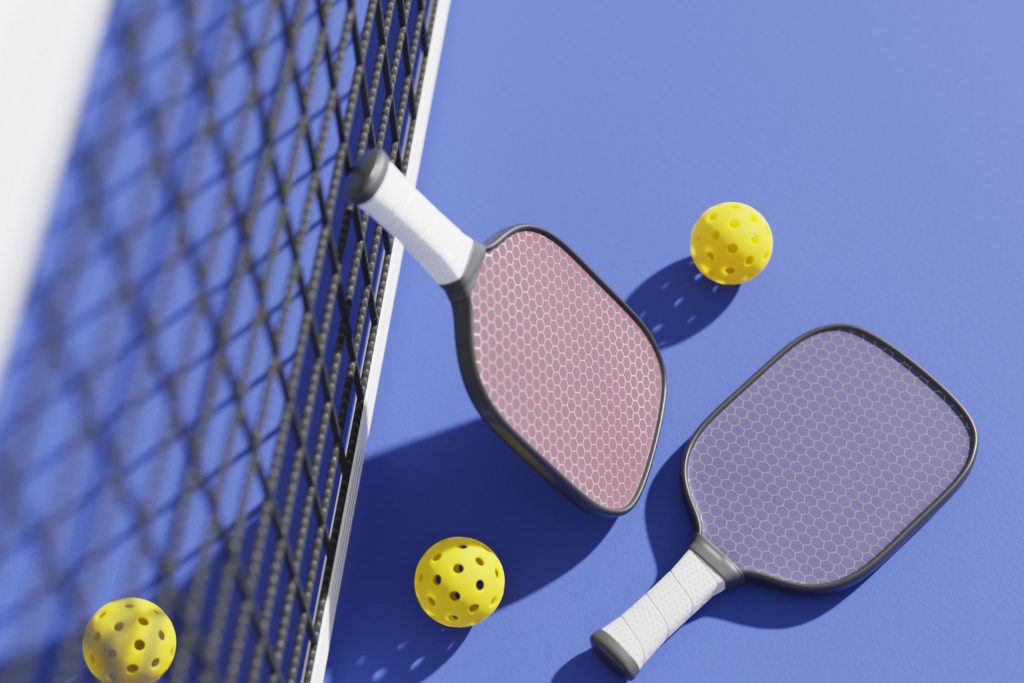
For those who enjoy exercising with others, pickleball can be an enjoyable addition to the week. Increasingly popular in Singapore, it is played with paddles and a perforated plastic ball on a compact court. A relaxed doubles game offers a chance to move and spend time with friends. activesgcircle.gov.sg
Begin with short practice rallies, warm up beforehand and wear supportive court shoes. Pickleball can involve sudden turns and quick steps, so choose a pace suited to your ability. It complements your exercise routine, while dedicated strength exercises remain important.
Getting started affordably in Singapore
Book through MyActiveSG+ and look for pickleball at a convenient venue. ActiveSG’s published rates for Singapore citizens and permanent residents are:
| Court type | Off-peak, per court per hour | Peak, per court per hour |
|---|---|---|
| Indoor | S$3.50 | S$7.40 |
| Outdoor | S$4.50 | S$9.50 |
An off-peak indoor booking shared by four players works out to approximately S$0.88 each per hour. See ActiveSG’s court rates. activesgcircle.gov.sg
Available non-peak slots open for instant booking 12 days ahead at noon; peak slots open for balloting 14 days ahead. The official booking guide explains the process. Availability varies by venue and date. ask.gov.sg
You can also start with inexpensive equipment:
| Option | Listed price | Shopping link |
|---|---|---|
| Kuikma Play beginner paddle | S$19.90 each | Decathlon beginner paddles |
| Pickleball Set Play: two paddles, two balls and carry bag | S$39.90 per set | Decathlon pickleball range |
Energy needs and weight can change
It is common to hear that metabolism slows dramatically once we reach middle age. The picture is more nuanced: a large study found that daily energy expenditure, after accounting for body size and composition, was broadly stable between ages 20 and 60, then declined in later life.
Changes in activity levels and muscle mass can also influence how much energy you need. If you move less while eating the same portions, you may gain weight over time.
Adjust portions to your needs while keeping meals balanced and nutrient-rich. Simply eating much less can leave you short of protein and other nutrients. Maintaining strength and eating well remain important even when your body needs fewer calories.
Appetite and eating habits may shift
Some older adults feel less interested in food. Changes in taste, illness and certain medicines can affect appetite. Difficulty chewing can make familiar meals less enjoyable.
If large meals feel overwhelming, try smaller, more frequent meals. Softer options such as steamed eggs, tofu, fish and porridge with added protein can make eating easier. Herbs and spices can add flavour, while sharing meals with family or friends can make mealtimes more appealing.
Ongoing poor appetite or unintended weight loss deserves a discussion with a healthcare professional. Addressing the cause can help prevent inadequate nutrition and further loss of strength.
Sleep may become lighter
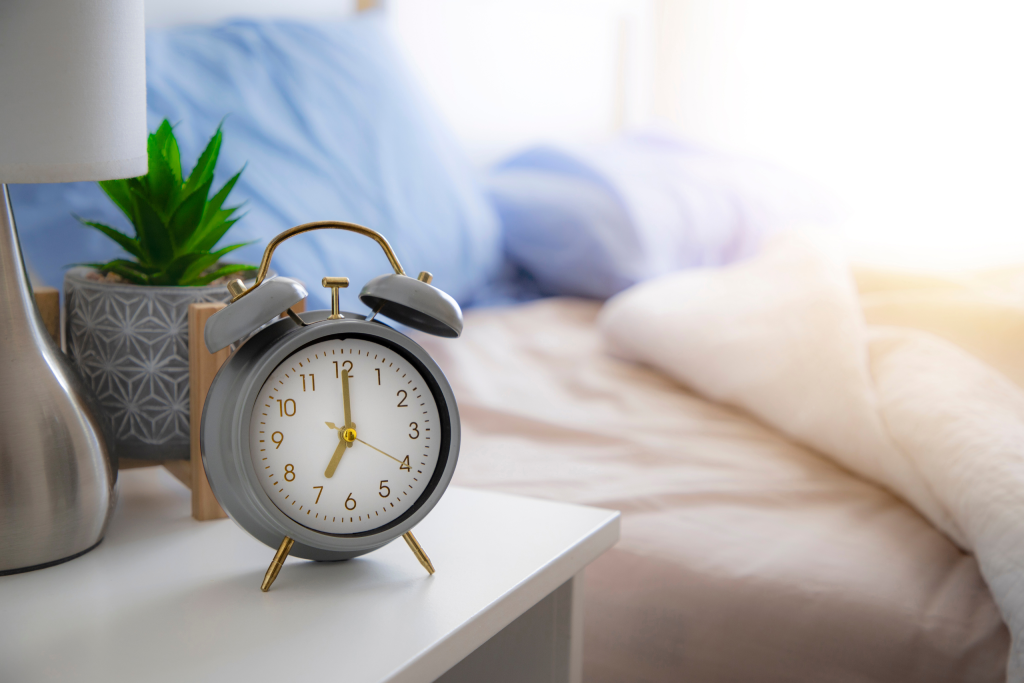
As people grow older, they may become sleepy earlier, wake earlier or experience more interrupted sleep. However, older adults still generally need around seven to nine hours of sleep each night.
A regular bedtime and waking time can help. Stay active during the day, keep your bedroom comfortable and limit caffeine later in the day.
If sleep problems persist or leave you exhausted, speak to your doctor. Pain, medicines and conditions such as sleep apnoea can disturb sleep and may require treatment.
Vision and hearing may need more attention

Reading small print may become harder, especially in dim light. Some people also find it more difficult to follow conversations in noisy places.
Arrange eye and hearing checks when you notice changes. Updated glasses, hearing support and better lighting can make everyday activities more manageable. At home, improving lighting along walkways and stairs can also make it easier to move around safely.
For family members, simple adjustments help: face the person when speaking, reduce background noise and allow time for them to respond.
Memory changes can cause concern
Occasionally forgetting a name or taking longer to learn something new can happen with normal ageing. Memory problems that interfere with daily life, however, should be assessed. Examples include getting lost in familiar places or repeatedly struggling with tasks that were previously manageable.
Some memory difficulties can be linked to treatable factors, including medication effects or depression. Seeking advice can help identify what is happening.
Keep making time for activities that engage you, such as reading, learning a skill or spending time with others. Regular movement, adequate sleep and managing existing health conditions also support brain health.
Growing older brings adjustments, but there is room to keep learning, connecting and enjoying everyday life. A nourishing meal, a manageable exercise routine or a conversation with someone you trust can be a meaningful place to start.
Give yourself permission to adapt your routines and ask for support. Caring for your changing needs can help you continue doing what matters to you.