
How Mother’s Day Is Celebrated Around the World
Mother’s Day is a heartfelt celebration dedicated to honouring mothers and maternal figures. While many countries observe it on the second Sunday of May, others celebrate on fixed dates or tie it to cultural and historical events. Despite these differences, the meaning remains the same: expressing love, gratitude, and respect.
Here’s how Mother’s Day is celebrated across different parts of the world.
United States & Many Countries: Second Sunday of May

Countries such as the United States, Canada, Australia, and Singapore celebrate Mother’s Day on the second Sunday of May each year.
In 2026, this falls on 10 May.
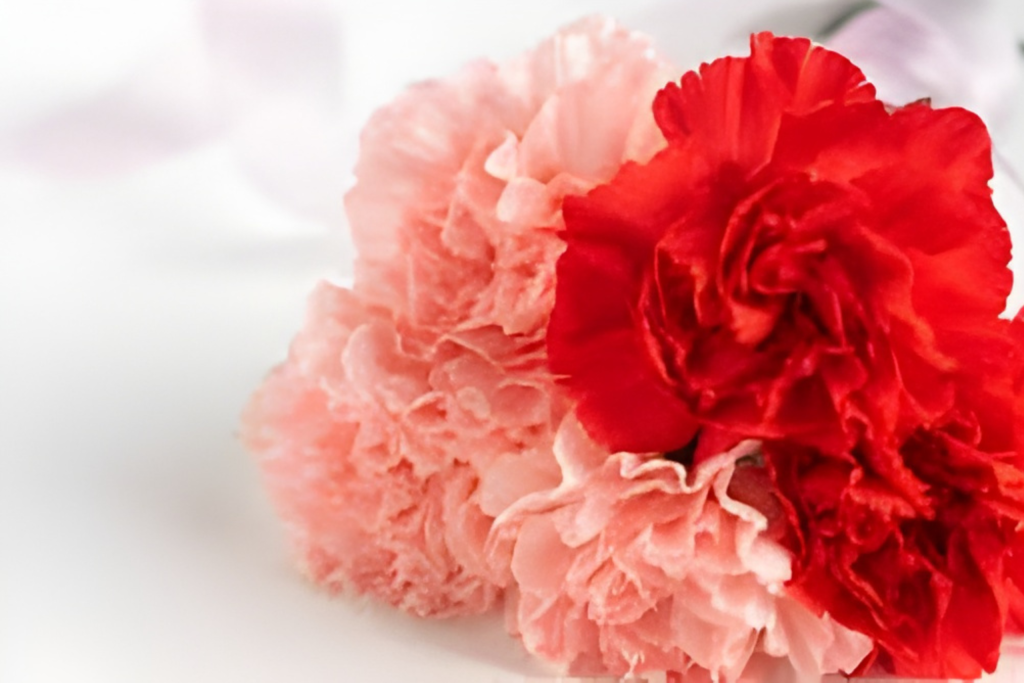
The day is typically marked by giving flowers, cards, and gifts, along with family meals or gatherings. Carnations are especially popular, symbolising love and appreciation.
United Kingdom: Mothering Sunday
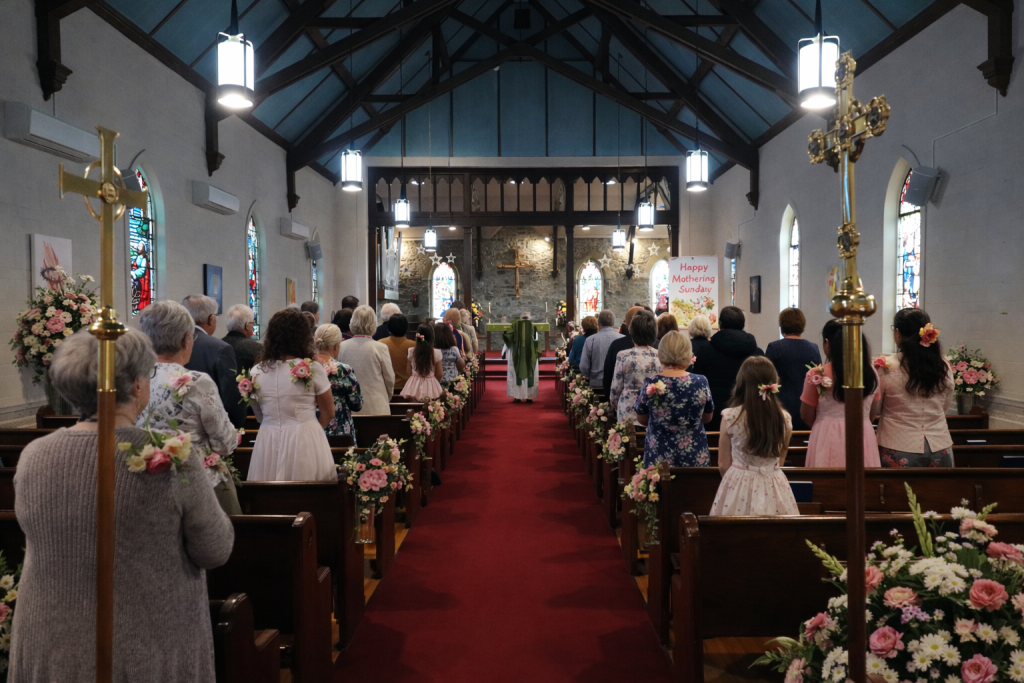
Unlike the modern May celebrations, Mothering Sunday has deep historical and religious roots dating back to the 16th century. It originally referred to the tradition of visiting one’s “mother church”, the main church or cathedral in one’s region. On this day, people who worked away from home were given time off to return to their hometown churches.
Over time, the religious meaning blended with family reunions, and it evolved into a day for children to honour their mothers.
A traditional food associated with the day is Simnel cake, a light fruitcake with marzipan, often decorated with 11 marzipan balls representing the apostles (excluding Judas).
Mexico: 10 May
In Mexico, Mother’s Day is always celebrated on 10 May, regardless of the day of the week.
The celebration is lively and deeply rooted in family culture. Many children serenade their mothers with songs, sometimes with mariachi bands, followed by large family gatherings and meals.
Japan: Second Sunday of May
Japan also celebrates Mother’s Day on the second Sunday of May, which is 10 May in 2026.
A key tradition is gifting red carnations, symbolising a mother’s love and sacrifice. Children often create handmade gifts or drawings, reflecting sincerity and appreciation.
Thailand: 12 August
Thailand celebrates Mother’s Day on 12 August, the birthday of Queen Sirikit, who is widely regarded as the “Mother of the Nation”.
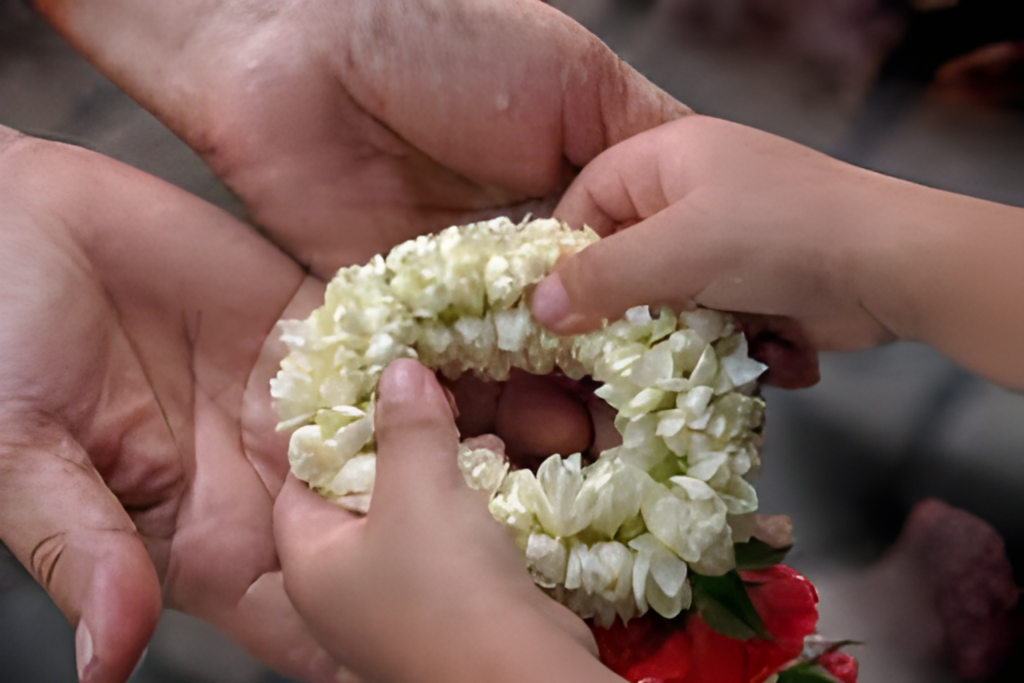
The celebration is both national and cultural, combining respect for motherhood with patriotism. One of the most recognisable traditions is the offering of jasmine garlands, which symbolise purity and unconditional maternal love.
Public ceremonies, parades, and acts of charity are also common, making it a nationwide observance.
Ethiopia: Antrosht Festival
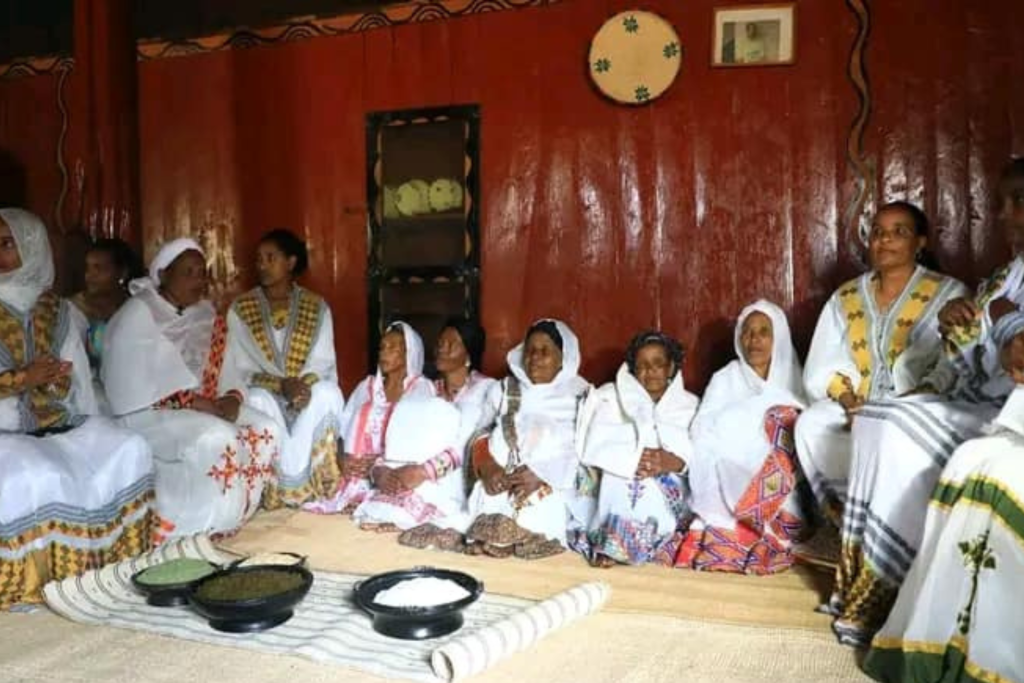
Ethiopia celebrates motherhood during Antrosht, a multi-day festival held at the end of the rainy season, usually in October or November ,after the rainy season.
Unlike a single-day celebration, Antrosht is a family reunion festival. Children traditionally bring ingredients for a large family feast, and mothers prepare shared meals such as meat dishes and dairy-based foods.
Rather than a single day, families gather for reunions, feasts, singing, and dancing. Children contribute ingredients to meals, making it a shared family celebration.
Peru: Second Sunday of May
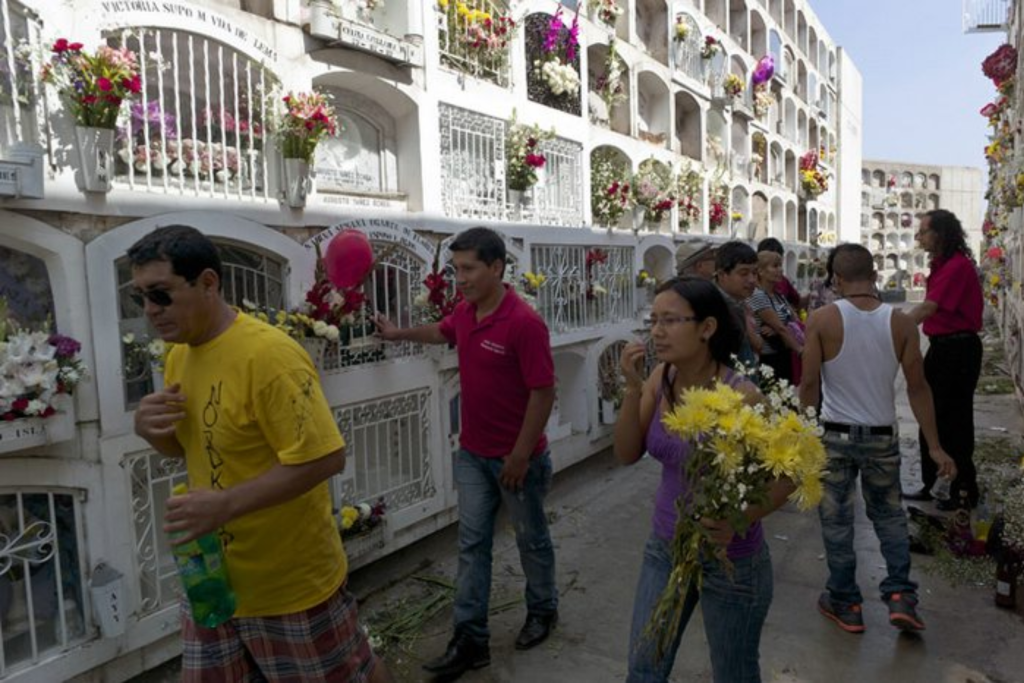
In Peru, Mother’s Day is also observed on the second Sunday of May, which is 10 May in 2026.
A particularly meaningful tradition in Peru is the remembrance of deceased mothers. Families often visit cemeteries, bringing flowers, music, and sometimes even food, creating a quiet but emotional atmosphere of remembrance.
This blend of celebration and remembrance reflects the strong cultural importance of family ties across generations.
France: 31 May 2026
In France, Mother’s Day is usually celebrated on the last Sunday of May, which is 31 May in 2026 (unless it coincides with another holiday).
Families celebrate with flowers, gifts, and special meals. It is also common for children to present poems or handmade crafts, adding a personal touch to the occasion.
A Universal Celebration of Love
Mother’s Day is celebrated in many different ways across the world, from heartfelt family traditions to unique cultural customs. While the dates may differ, the meaning remains the same: honouring the love, care, and sacrifices of mothers everywhere.
Although Mother’s Day is celebrated on different dates and in different ways, its meaning is universal. Whether it takes place on 10 May, 12 August, or another time of the year, the day is ultimately about recognising the love, care, and sacrifices that mothers make. Across cultures, the traditions may differ, but the spirit remains the same: honouring the people who shape our lives in the most meaningful ways.
At its core, this reflects the value of filial piety, the idea of showing respect and gratitude to our parents. While the term may come from specific cultures, the principle is shared globally. Mother’s Day serves as a reminder to pause, appreciate these often unspoken contributions, and strengthen family bonds through simple, meaningful gestures.