
What Is An Ling? A Guide to Its Meaning And Significance
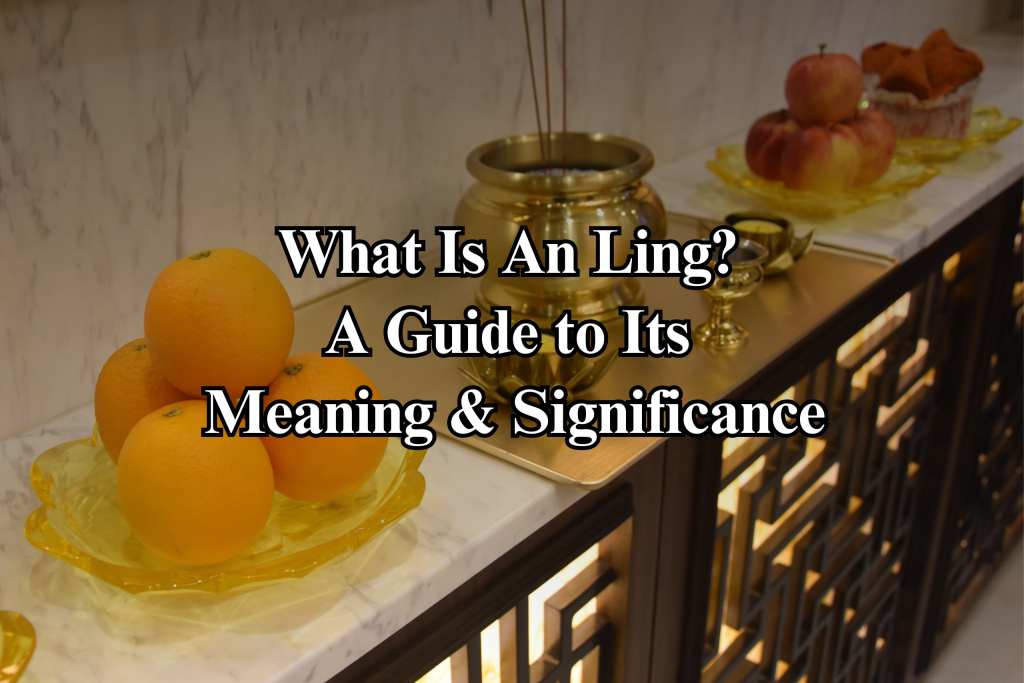
After a funeral, some Chinese families continue to honour their loved one with daily offerings and prayers. This practice is commonly known as An Ling (安灵).
An Ling provides a place for the family to pay their respects during the weeks following the death. It is often observed over 49 days, either at home or at a temple or memorial facility. The arrangements depend on the family’s beliefs, customs and ability to manage the daily offerings.
Understanding An Ling
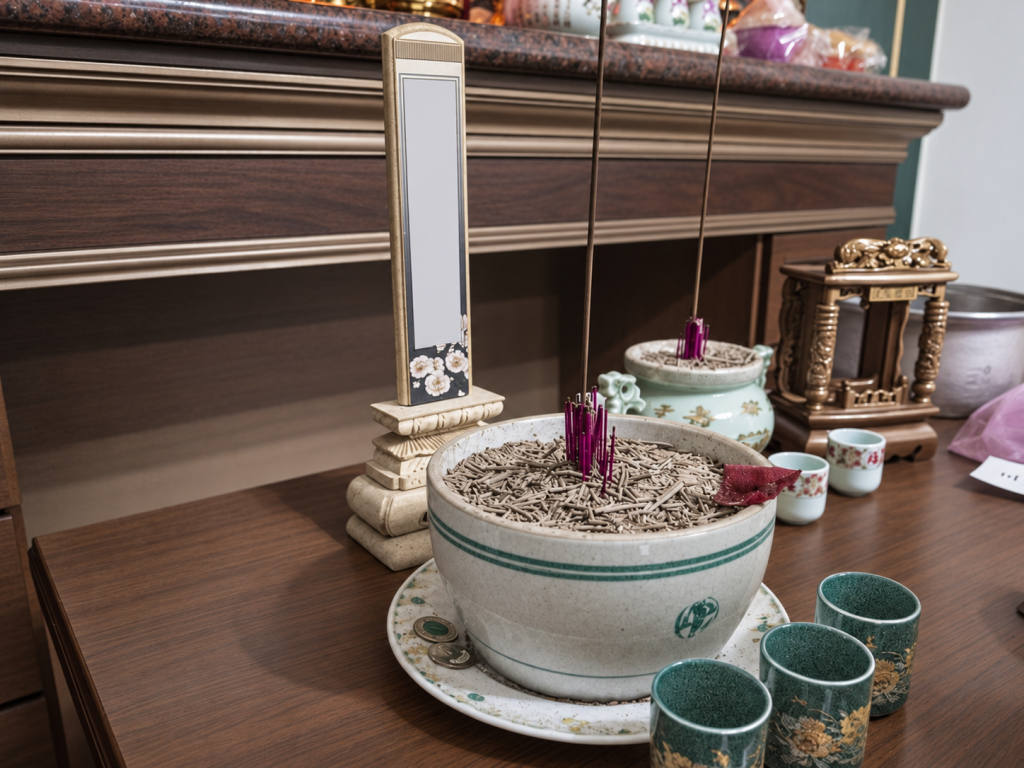
An Ling involves setting up a temporary altar for the deceased after burial or cremation. A photograph and memorial tablet, known as 灵位, are usually placed together with an incense holder and offerings.
The tablet represents the deceased and serves as the focus for prayers. Family members may offer food, light incense and spend time at the altar, continuing familiar acts of care after the funeral.
An Ling and Ji Ling
An Ling commonly refers to an arrangement kept at home, where relatives look after the altar and prepare the offerings themselves.
Ji Ling (寄灵) commonly refers to placing the temporary tablet at a temple, monastery or columbarium. Staff may manage the daily offerings, while the family visits to pay respects and attend prayers.
Some providers use these names differently. When making arrangements, it is helpful to confirm where the tablet will be placed and who will be responsible for its daily care.
The Significance of the First 49 Days
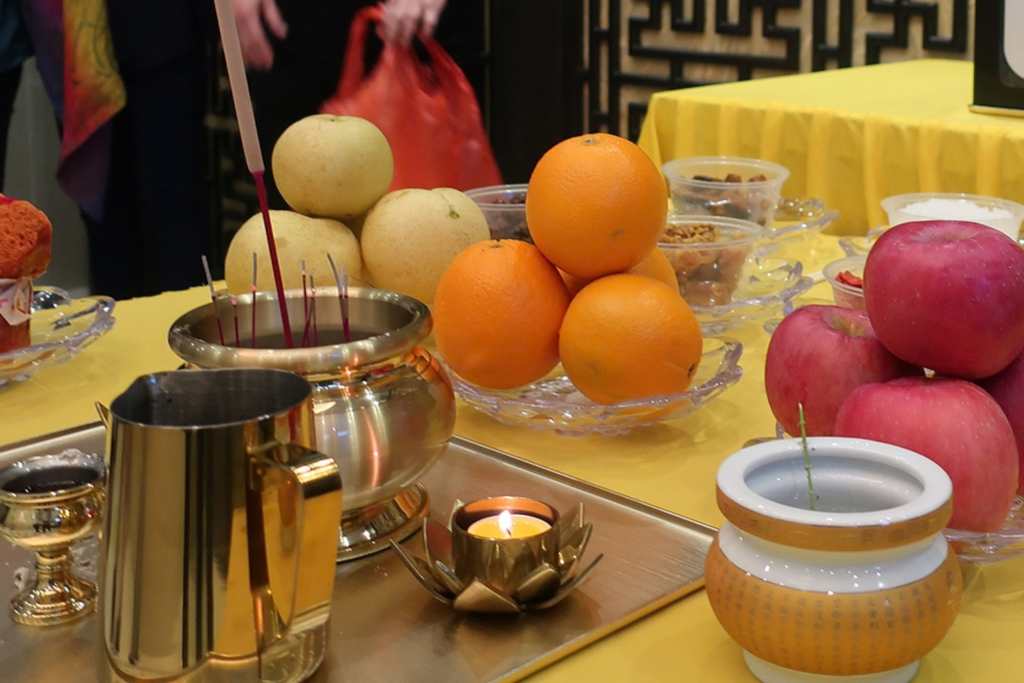
In some Chinese Buddhist traditions, the interval between death and rebirth is known as 中阴, or the intermediate state. This period is believed to last up to 49 days, although rebirth may take place earlier.
Family members may offer prayers, chant and perform good deeds during this time. The merit of these actions is dedicated to the deceased in the hope of supporting a favourable rebirth.
For families who hold these beliefs, the prayers are an active way of helping their loved one through this transition.
Although 49 days is common, the temporary altar may remain for a shorter or longer period.
Some Cantonese families remove it at the third seven-day milestone, or Day 21. Other families keep it for 49 days or beyond, according to their customs.
The prayer milestones are counted from the death. Families should confirm the dates with the monk, priest or funeral director, including how the day of death is counted.
Zuo Qi (做七): The Seven-Day Observances
In traditional Chinese funeral customs, Zuo Qi (做七) refers to prayers and memorial rites held at seven-day intervals after a person’s death. The full sequence comprises seven observances over 49 days, beginning with Tou Qi (头七) and ending with Man Qi (满七).
During An Ling, these occasions bring family members together to offer food, participate in prayers and honour their departed loved one. The practice combines religious beliefs with filial respect, shared family responsibilities and remembrance.
Prayers during the transitional period
In some Buddhist traditions, the deceased may experience an intermediate state known as Zhong Yin (中阴) before rebirth. This period is described as lasting up to 49 days, although rebirth may occur earlier.
Each seven-day milestone provides an occasion for relatives to chant, make offerings, perform charitable deeds and dedicate the resulting merit to the deceased. Families may invite Buddhist clergy to lead these prayers, with the intention of helping their loved one find peace and a favourable rebirth.
Some Chinese folk and Taoist-influenced traditions also describe an afterlife journey involving judgment before underworld deities. These beliefs may shape the ceremonies performed, but they should be distinguished from Buddhist explanations of the intermediate state.
Tou Qi: The first seven-day observance
Tou Qi marks the first seven-day milestone after death. In some Chinese folk traditions, it is associated with the belief that the deceased returns home to visit their family.
Relatives may prepare offerings, including food their loved one enjoyed, and maintain a quiet, respectful atmosphere. These gestures express continued care and provide an occasion for remembrance. Beliefs about the timing and nature of this return vary between families and traditions.
Family responsibilities for each observance
In traditional Chinese folk customs, different family members may take responsibility for preparing offerings and covering the expenses of each observance, reflecting the family’s shared duties:
| Observance | Family Member |
|---|---|
| Tou Qi 头七 | Sons or the eldest son; regarded as the most important observance. |
| Er Qi 二七 | Daughters-in-law. |
| San Qi 三七 | Married daughters; described as “Daughters’ Seven” in Singapore and Taiwan. |
| Si Qi 四七 | Nephews and nieces. |
| Wu Qi 五七 | Grandsons and granddaughters. |
| Liu Qi 六七 | Married nieces or granddaughters through a daughter. |
| Qi Qi 七七 / Man Qi 满七 | All family members jointly, marking the completion of a stage of mourning. |
Filial respect and comfort for the family
Preparing offerings and participating in prayers allow relatives to continue expressing love and gratitude after the funeral. For children remembering a parent, these acts can be a continuation of the care and respect shown during their lifetime.
The recurring gatherings may also offer comfort through familiar rituals and time spent with family. They provide opportunities to remember the deceased and support one another, without placing a deadline on grief.
Variations in how families observe Zuo Qi
Not every family holds seven separate ceremonies. Some place greater emphasis on the first, third, fifth and seventh observances, while others observe only the first and last.
Some traditions also allow ceremonies to be brought forward or combined, a practice sometimes called Qie Qi (切七). This differs from simply choosing fewer prayer milestones, and the arrangements should be confirmed with the officiant.
The number and scale of the ceremonies depend on religious practice, family customs and circumstances. Throughout these variations, the intention remains to honour the deceased through sincere prayers, offerings and remembrance.old prayers only on the first and last milestones.
Offerings and Prayer Ceremonies
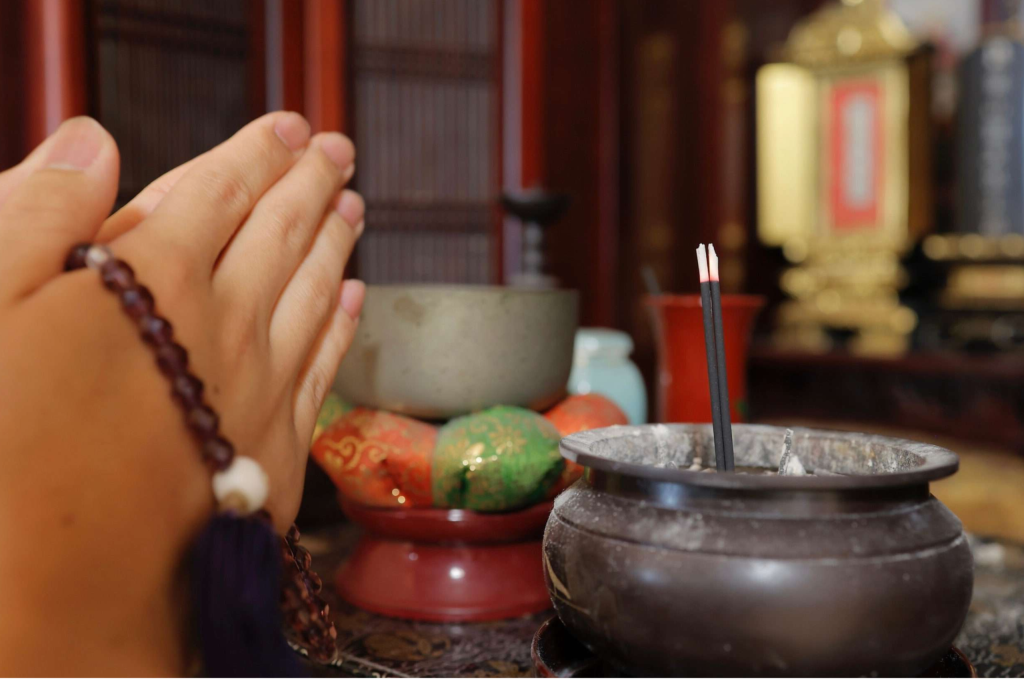
On a prayer day, relatives may gather at the altar with food, flowers and incense. A Buddhist monk or Taoist priest may lead the chanting and guide the family through the ceremony.
Depending on the tradition, the session may include scripture recitation, prayers for the deceased, dedication of merit and paper offerings.
Some services are brief and simple. Others involve longer prayers and additional rites. The family can discuss the arrangements with the religious practitioner beforehand so they know what to prepare and how to take part.
Tou Qi and the First Seven Days
Tou Qi is the first seven-day observance. In some Chinese folk traditions, the deceased is believed to return home at this time.
Families may prepare food and incense for the visit. Some keep vigil, while others go to bed early to avoid encountering the returning spirit.
Prayers and remembrance continue throughout the remaining weeks. Days 21 and 35 may involve larger gatherings in families that give these milestones greater importance.
The 49th-Day Ceremony
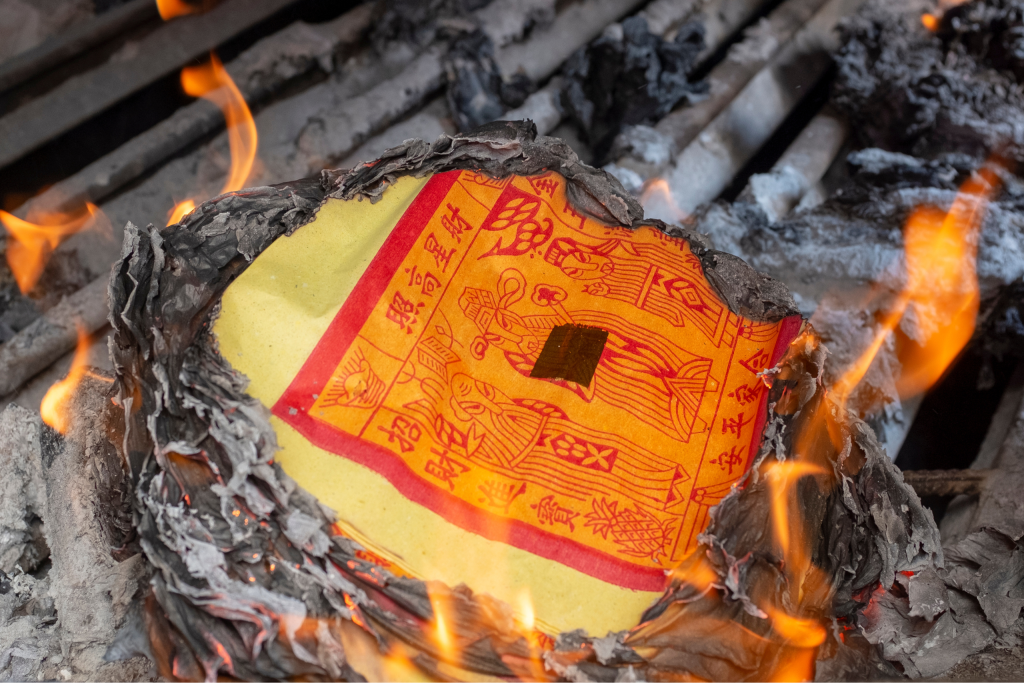
The 49th day completes the seven-week cycle. Known as Qi Qi (七七), it may also be called 满七、尾七、断七 or 圆七, depending on the family’s custom.
Families often mark this occasion with a larger prayer session. A monk or priest may be invited, and the offerings may be more extensive than those prepared each day. Paper items may also be burnt where this is part of the family’s practice.
Closing the Temporary Altar
Where An Ling ends on the 49th day, closing prayers may be followed by Chu Ling (除灵), the removal of the temporary memorial arrangement.
In some traditions, the paper tablet is burnt as part of the closing rite. Families who wish to continue ancestral observances may arrange a permanent wooden tablet. Others choose not to maintain a permanent tablet.
The timing and handling of these items should be discussed with the person conducting the ceremony.
Buddhist and Taoist Practices
Buddhist and Taoist arrangements can look similar, with a tablet, incense, food offerings and family prayers. Their religious explanations and ceremonies may differ.
Buddhist Observances
Buddhist practices commonly focus on chanting, good deeds and the dedication of merit to the deceased.
Families may recite scriptures, chant the name of Amitabha Buddha, make vegetarian offerings or donate to charity in their loved one’s name. Through the dedication of Merit (回向), they dedicate the merit of these actions to the departed.
The Amitabha Sutra and Ksitigarbha Sutra are among the scriptures used in services for the deceased. The selection depends on the temple and the prayers arranged.
Taoist Observances
Taoist services are guided by a priest and may include scripture recitation, prayers to deities and rites intended to assist the deceased’s passage through the afterlife.
These rites may form part of the deliverance of souls( 超度), or deliverance of the departed. Their purpose is to help the deceased progress beyond suffering.
The ceremony depends on the priest’s tradition and the family’s ancestral or dialect customs. Rites performed during the funeral are not necessarily repeated at every seven-day observance.
An Ling Costs and Arrangements
Basic arrangements may start from around S$500, although this is only an indicative starting figure. The total depends on the location, daily care, prayer sessions and religious personnel involved.
Some providers include or discount An Ling services with a niche or ancestral tablet purchase. Others charge separately.
Before confirming a package, ask whether it covers:
- The temporary tablet and altar setup
- Daily food offerings, incense and upkeep
- Prayers on the selected seven-day milestones
- The monk or priest’s fees
- Closing prayers and removal of the temporary arrangement
An itemised quotation helps the family understand the full cost and any additional arrangements they may need.