
Are Naps Necessary For Seniors?

An afternoon nap is a familiar habit for many seniors. Some find that a short rest helps them feel more alert, while others sleep for an hour or more and still wake feeling tired. Although napping becomes more common with age, it is not something every older adult needs.
Whether a nap is helpful depends on several factors, including the quality of nighttime sleep, the timing and length of the nap, and the reason for feeling sleepy. Understanding these factors can help seniors and their families recognise when a nap provides useful rest and when it may point to a wider sleep problem.
How Sleep Changes As We Age
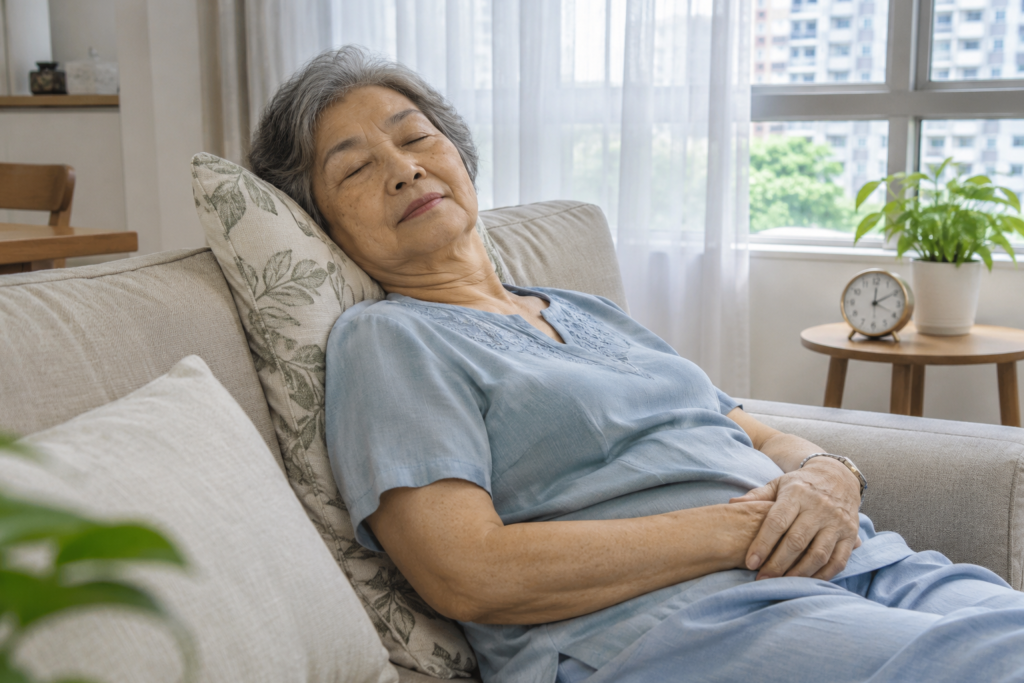
Ageing changes the pattern of sleep, but it does not remove the need for adequate rest. Older adults generally need around seven to nine hours of sleep each night.
Sleep tends to become lighter and more fragmented with age. A person may wake more frequently or find it harder to stay asleep for long periods. Pain, health conditions and medication effects can also interrupt rest.
The timing of sleep may change too. Many older adults begin to feel sleepy earlier in the evening and wake earlier in the morning. These changes help explain why a senior’s sleep routine may look different from that of a younger family member. However, persistent exhaustion or difficulty staying awake during the day should not simply be dismissed as normal ageing.
The Body Clock And The Need for Sleep
Two processes help regulate when we sleep: circadian rhythm and sleep pressure.
The circadian rhythm is the body’s roughly 24-hour timing system. It helps coordinate periods of alertness and sleepiness, responding to cues such as daylight and darkness. As this rhythm shifts earlier with age, some seniors naturally prefer earlier bedtimes and waking times.
Sleep pressure is the growing need for sleep that builds while we are awake. The longer we stay awake, the stronger this pressure generally becomes. Sleeping reduces it.
A nap therefore takes away some of the sleep pressure accumulated during the day. This can help someone feel more alert afterwards. However, a long nap or one taken close to bedtime may reduce that pressure enough to make falling asleep at night more difficult.
When a Nap Can Be Helpful

A short nap can provide a temporary improvement in alertness and performance. For a senior who has had an occasional disrupted night, it may make the afternoon easier to manage.
The benefit is practical: the person feels more awake afterwards and can comfortably return to their usual activities. A nap may fit well into their routine if they continue to fall asleep normally at night.
However, napping does not provide all the benefits of sufficient nighttime sleep. Regularly sleeping too little at night and relying on daytime naps can leave the underlying sleep shortage unresolved.
Seniors who sleep adequately and feel alert during the day do not need to add a nap solely because of their age. The decision should reflect their sleep needs and daily functioning.
When Napping Can Interfere with Rest
Napping may become unhelpful when it makes nighttime sleep more difficult. This is particularly relevant for someone who already struggles to fall asleep.
For example, a senior who sleeps for a long period in the late afternoon may not feel ready for bed at their usual time. If they still wake early the next morning, their nighttime sleep becomes shorter. They may then feel the need for another long nap.
This pattern can be difficult to notice because each nap seems like a reasonable response to tiredness. Looking at the full day’s sleep pattern is more useful than judging the nap alone.
If naps appear to delay bedtime or worsen existing insomnia, taking them earlier, shortening them or avoiding them may help. Guidance for insomnia commonly includes limiting or avoiding naps to support nighttime sleep.
Planning a Nap That Supports Nighttime Sleep
Keep the Nap Short
A reasonable starting point is around 20 minutes. An alarm can help prevent a brief rest from becoming a lengthy daytime sleep.
Pay attention to the result. Does the person feel more alert afterwards? Can they still fall asleep at their usual bedtime? These observations are more useful than assuming that a longer nap must be better.
Choose the Early Afternoon
If a nap is needed, the early afternoon is generally preferable to the late afternoon or evening. This leaves more waking time before bed, allowing sleep pressure to build again.
Someone who becomes sleepy close to bedtime may find it more helpful to begin their evening routine rather than take a separate nap.
Review the Overall Routine
Keep a simple record of bedtime, waking time, nighttime awakenings and naps. Include how alert or sleepy the person feels during the day.
This can help identify patterns, such as sleeping poorly after a late nap or feeling tired despite spending enough time in bed. It also provides useful information if a medical appointment becomes necessary.
Supporting Better Sleep at Night
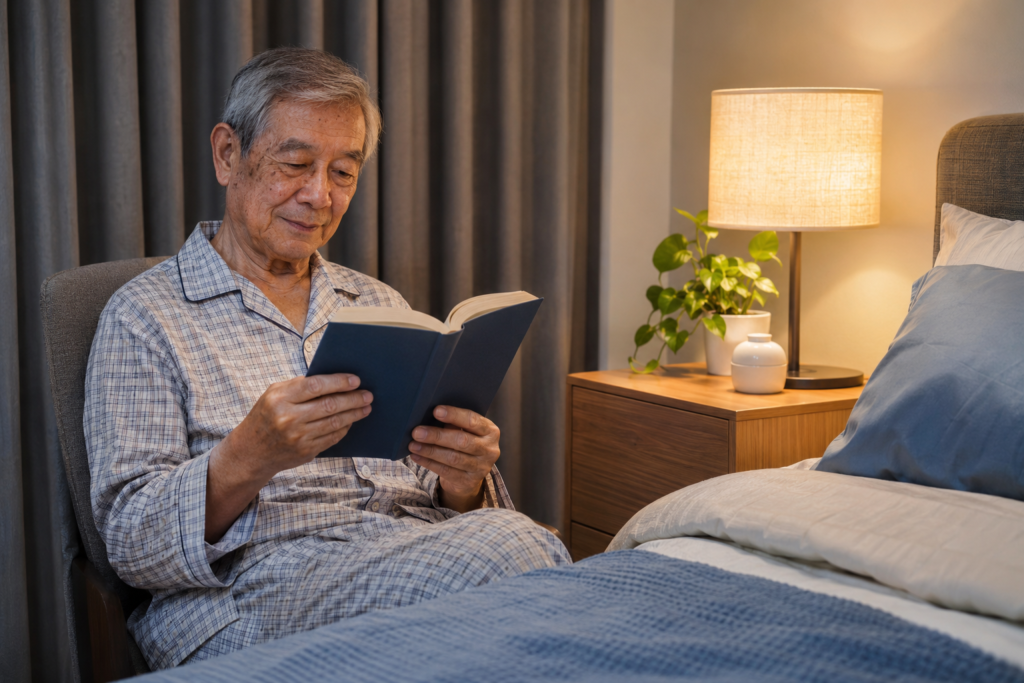
The need for daytime rest should be considered alongside nighttime habits. Helpful measures include:
- Keeping regular hours: Aim for similar bedtimes and waking times each day.
- Staying active: Include suitable physical activity and time outdoors in the daily routine.
- Creating a restful bedroom: Keep the room quiet, dark and at a comfortable temperature.
- Reviewing evening habits: Avoid caffeine late in the day and large meals close to bedtime.
- Allowing time to wind down: Reading, listening to quiet music or another relaxing activity can form part of a consistent bedtime routine.
These habits support sleep, but ongoing problems may also require assessment and treatment.
Recognising When Sleepiness Needs Medical Attention
An occasional nap is different from repeatedly struggling to stay awake. Persistent daytime sleepiness, particularly when it affects conversations, meals or normal activities, deserves attention.
A doctor can help review possible causes, including medication effects, disrupted nighttime sleep and sleep disorders. Loud snoring, gasping or pauses in breathing during sleep should also be reported, as these can indicate sleep apnoea.
For seniors and their families, the most useful question is whether the current sleep routine supports daily life. A brief nap that leaves someone refreshed and does not disturb bedtime may be helpful. Increasing reliance on naps, continued exhaustion or worsening nighttime sleep is a reason to look more closely at the cause.