
How Buddhists and Taoists Observe the Hungry Ghost Festival.
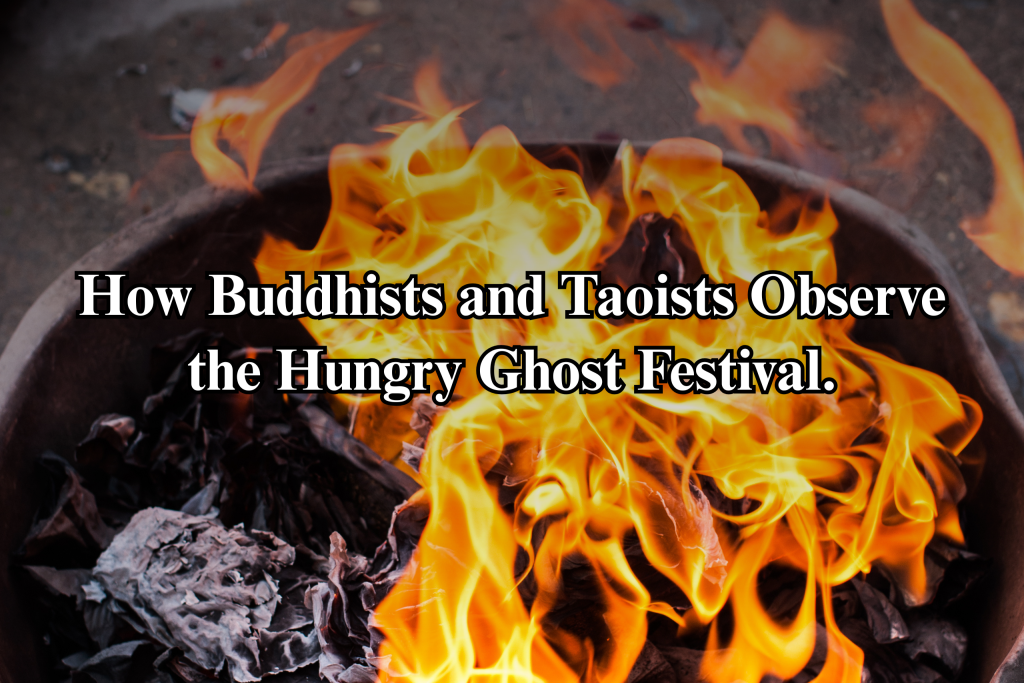
During the seventh lunar month (农历七月), temporary altars, incense burners and prayer ceremonies become a familiar sight across Singapore. This period is commonly referred to as the Hungry Ghost Festival, but Buddhist and Taoist communities do not necessarily understand or observe it in the same way.
For Taoists, the month is closely associated with Zhong Yuan Jie (中元节) and rituals intended to honour ancestors, provide for wandering spirits (孤魂) and assist suffering souls. For Buddhists, it is connected to Ullambana (盂兰盆节), a period centred on filial gratitude (孝亲报恩), generosity and the dedication of merit (功德回向) to departed loved ones.
Although the two traditions share themes of remembrance and compassion, their religious beliefs and practices are distinct.
Taoist Observances: Zhong Yuan Jie (中元节)
In Taoist tradition, the fifteenth day of the seventh lunar month is known as Zhong Yuan Jie (中元节).
It is associated with the Earth Official (地官大帝), one of the Three Great Emperor-Officials of Heaven, Earth and Water (三官大帝). The Earth Official is traditionally believed to examine human conduct, pardon transgressions and relieve the suffering of the departed.
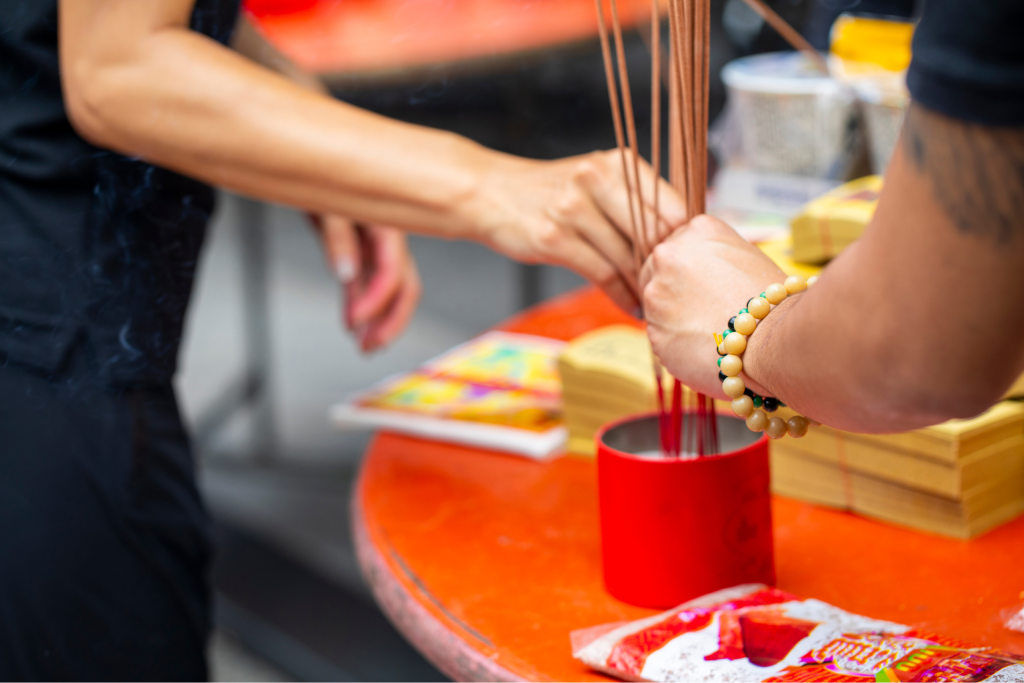
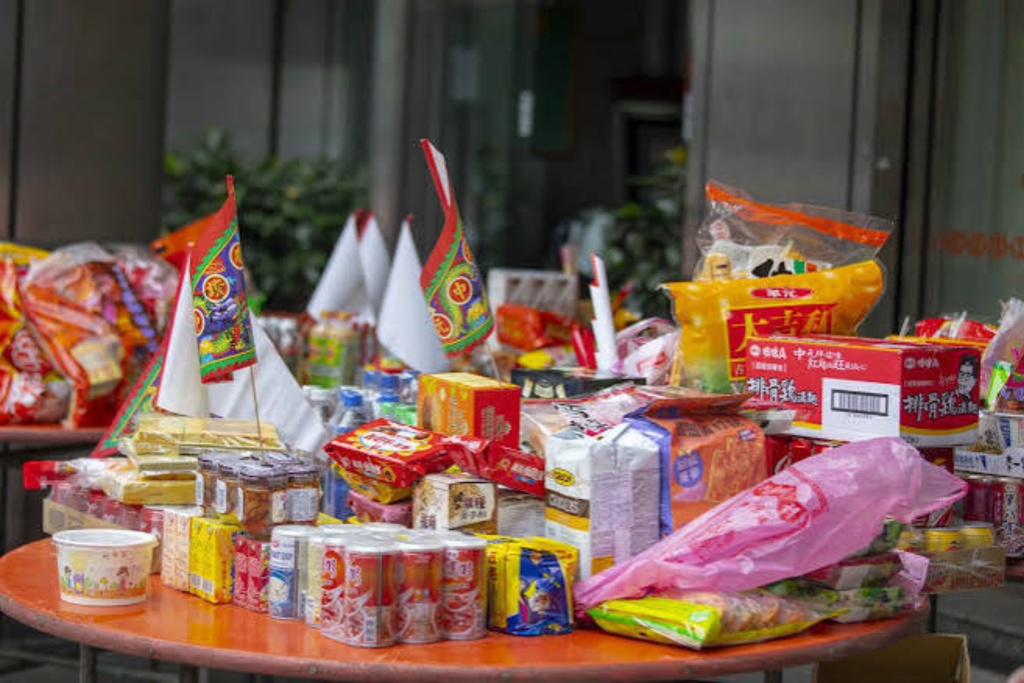
During this period, Taoist temples may organise scripture recitations (诵经), repentance ceremonies (拜忏法会) and prayers for ancestors and wandering spirits. Worshippers may prepare food, incense and joss-paper offerings (供品、香烛和纸钱) as expressions of respect and care.
Offerings made to family ancestors are usually separate from those prepared for wandering spirits. Ancestor prayers continue the relationship between the living and named members of the family. Offerings for wandering spirits extend compassion to those who may have no descendants or relatives left to remember them.
What Is a Taoist Salvation Ritual (超度法事)?
An important feature of some Taoist seventh-month observances is the salvation ritual (超度法事), sometimes known as Pudu (普度), meaning universal deliverance.
These ceremonies are intended to assist souls believed to be suffering, spiritually unsettled or unable to move onwards. They may be conducted for named ancestors, victims of accidents or tragedies, and unknown individuals who died without family members to perform prayers for them.
During the ceremony, Taoist priests (道士) act as intermediaries between the human and spiritual realms. They may recite scriptures, present ritual petitions (疏文) and conduct repentance rites on behalf of the deceased. Memorial tablets representing the departed (亡灵牌位) are placed at the altar, while food and incense are offered to welcome and provide for them.
Larger ceremonies may include a symbolic rite commonly called “Breaking the Gates of Hell” (破地狱). This represents the removal of spiritual barriers so that suffering souls may be released and guided towards a more peaceful state.
Not every Taoist temple conducts the same rituals. Smaller observances may focus on prayers, offerings and scripture recitation, while larger temples or community organisations may hold ceremonies over several days.
Joss-paper burning (焚烧纸钱) is also commonly associated with Taoist and Chinese folk observances. Traditional paper money and paper representations of everyday items (纸扎用品) are symbolically offered for the deceased to use in the afterlife. The practice reflects the belief that departed family members should continue to be cared for.
Buddhist Observances: Ullambana (盂兰盆节)
For many Chinese Buddhists, the seventh lunar month is associated with Ullambana (盂兰盆节) rather than the appeasement of wandering spirits.
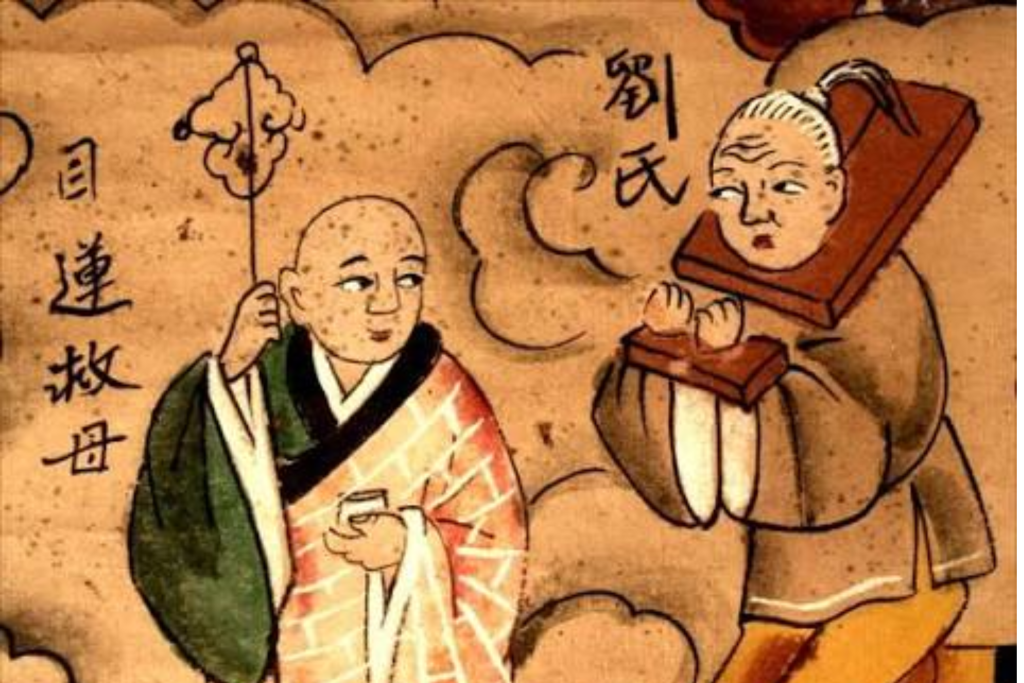
Ullambana is connected to the story of Venerable Maudgalyayana (目犍连尊者), known in Chinese as Mulian (目连). According to Buddhist tradition, Mulian discovered that his deceased mother was suffering in the hungry ghost realm (饿鬼道).
Despite possessing great spiritual abilities, he was unable to relieve her suffering on his own. The Buddha advised him to make offerings to the Sangha (僧团), the community of Buddhist monks and nuns, and dedicate the merit generated by this act to his mother.
The story became widely known as “Mulian Rescues His Mother” (目连救母). Its central message is not simply about rescuing someone from the afterlife. It emphasises filial gratitude, generosity and the importance of performing wholesome actions for the benefit of others.
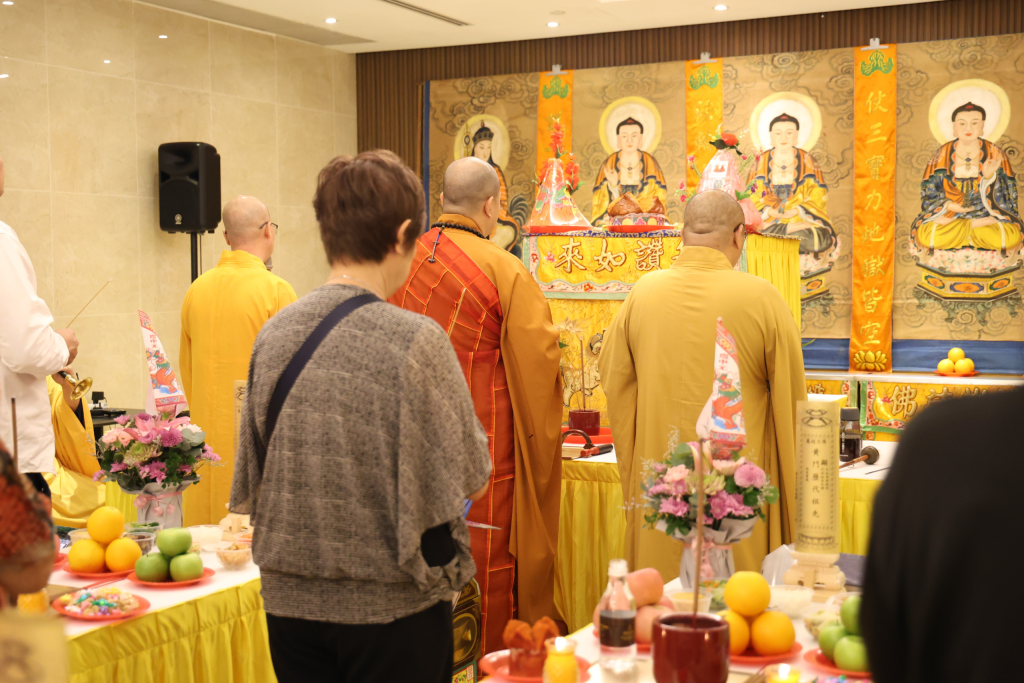
Merit-Making and Dedication
Buddhist temples and monasteries may observe Ullambana through sutra chanting (诵经), prayer services, vegetarian offerings, charitable donations and offerings of food or daily necessities to monks and nuns.
Families may also register memorial tablets bearing the names of deceased relatives (往生牌位). Prayers and merit generated during the ceremony are then dedicated to them through the practice of merit dedication (功德回向).
Merit-making (修福积德) refers to wholesome actions such as giving, supporting the monastic community, chanting and helping those in need. After performing these acts, devotees express the wish that the spiritual benefit contributes to the welfare of their parents, ancestors and other suffering beings.
This differs from the idea of directly providing material possessions to spirits. Buddhist observances generally place greater emphasis on spiritual development, compassion and liberation than on burning paper houses, vehicles or money.
Repentance ceremonies (拜忏法会) may also be held during the month. In Buddhism, repentance (忏悔) involves recognising harmful actions and resolving to cultivate more wholesome behaviour. The merit created through sincere practice may then be dedicated to both living parents and departed relatives.
Different Practices, Shared Intentions
Taoists and Buddhists may observe the seventh lunar month differently, but both traditions emphasise the relationship between the living and the departed.
Taoist Zhong Yuan observances often focus on ritual offerings, petitions, pardon and the salvation of suffering souls. Buddhist Ullambana services centre on filial gratitude, generosity and the dedication of merit.
Despite these differences, both encourage people to remember their ancestors, care for their parents and extend compassion towards those who may otherwise be forgotten.
The Hungry Ghost Festival is therefore more than a month of supernatural beliefs and taboos. For Singapore’s Buddhist and Taoist communities, it remains a meaningful period of remembrance, gratitude and responsibility towards others.